








Selling bulk RAM can recover significant value, but results depend on timing, pricing, and process control. This article explains how market cycles influence returns and why selling during peak demand can improve outcomes.
It also outlines the benefits of organizing inventory into complete lots and working with multiple buyers to compare offers. You will learn how to avoid common pricing errors, handle packaging and shipping correctly, and maintain proper documentation.
Compliance requirements and data handling practices are also covered. Together, these factors shape a smoother transaction and help protect both value and accountability throughout the resale process.
Step-by-Step Process to Recycle Solar Panels Safely
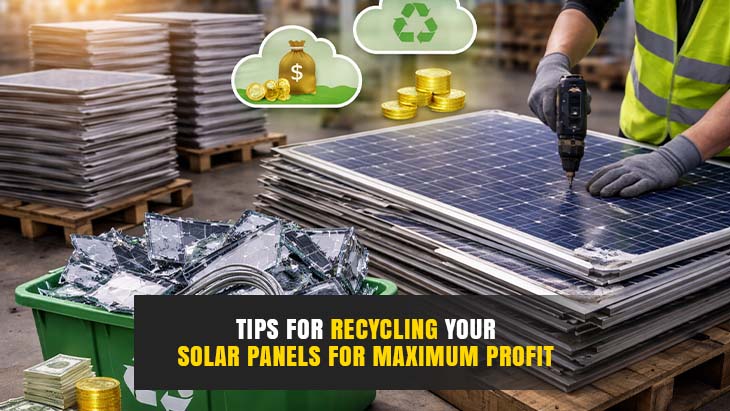
Recycling solar panels isn't a simple peel-and-toss operation. The process requires specific steps to maximize material recovery while minimizing environmental harm. Here's how professional facilities handle it.
1. Assess Panel Condition and Reuse Potential
Before you send anything off for shredding or melting, test whether your panels still have productive years left. Smart solar recycling starts with reusability, not disposal. Panel age and condition matter.
Research on 76 panels aged 22 years found that 68% were still viable after visual inspection, insulation testing, and electroluminescence imaging, meaning more value recovered and less waste generated.
Another study of 221 panels aged 2-20 years revealed 64% reusability, while analysis of 204 panels aged 19-23 years showed 65% could continue generating power. Flash tests expose modules to bright xenon arc lamp light under Standard Testing Conditions and measure actual power output against original specifications.
Wet leakage tests assess insulation against moisture penetration. Panels retaining 70-90% of original efficiency qualify for resale markets. Refurbishment happens before testing for modules needing new junction boxes or connectors before resale.
2. Remove and Separate Aluminum Frames
Aluminum frames represent a high-value, 100% recyclable material. Modern deframing machines use hydraulic systems operating at 1-2 tons of pressure and complete 6-8 cycles per minute. These automated systems recognize frame positions through intelligent technology and process aluminum frames from 50-60 panels in just 30 minutes.
Upgraded equipment achieves integrated frame and junction box removal at the same time, eliminating manual intervention and reducing labor costs. The machines adapt to different panel sizes through automatic positioning systems and handle both monocrystalline and polycrystalline silicon panels.
3. Extract Junction Boxes and Wiring
Junction boxes are weatherproof enclosures attached to panel backs that house electrical connections and bypass diodes. Extracting these components before glass separation prevents contamination and allows copper wire recovery. Integrated removal systems detach edge-mounted junction boxes while removing frames. This copper wiring is valuable and can be recycled.
4. Separate Glass from Silicon Cells
Glass has 67-76% of silicon-based panel weight. Separation methods include thermal, mechanical, and chemical approaches. Thermal processing heats materials to temperatures exceeding 500°C and decomposes the ethylene-vinyl acetate polymer, binding cells to glass.
Research indicates that 500°C for about one hour achieves near-complete encapsulant removal. Chemical treatments employ solvents like glycerol for glass-laminate separation after that. Microwave heating softens EVA adhesive and makes glass removal more convenient than non-heated methods. Advanced facilities use automated proprietary tools that remove glass from solar laminates cleanly.
5. Recover Metals Through Advanced Processing
Shredded laminates undergo multi-step processes, extracting valuable metals after glass separation. Chemical etching using hydrofluoric acid and sodium hydroxide solutions recovers silver from cell structures. Electrochemical processes achieve 98.7% silver recovery efficiency through electrodeposition-redox replacement techniques.
One ton of solar cell waste yields about 0.6 kg of silver. Silicon recovery involves acid etching, with broken wafers melted for manufacturing new modules and achieving 85% silicon material recycling rates. Chemical treatments at room temperature recover 100% of silver and 85% of indium from thin-film panels.
6. Ensure Proper Material Disposal
Recyclers removing only aluminum frames must make hazardous waste determinations on residual materials. Facilities must manage them according to RCRA regulations if residual tests are hazardous. Advanced solar recycling operations recover over 90% of materials by weight, with proprietary processes extracting up to 95% of retired panel value.
Finding Solar Panel Recycling Services Near You
Search Online Directories and Resources
Reliable online directories are where you start when you want to locate recycling services. The Environmental Protection Agency lists several organizations on its website where you can search for solar panel recycling options.
These include the Department of Energy Solar Energy Technologies Office's U.S. Solar Photovoltaic Manufacturing Map, which has recyclers. Earth911 provides another searchable database, as does the Solar Energy Industries Association.
There are however industry leaders that stand out due to their good reputation and numerous years in the industry. Companies like Solar Recycling, have a large footprint and are often a go to company for most individuals and businesses looking to sell and recycle their solar panels and equipment.
Contact Your Solar Panel Manufacturer
Manufacturer take-back programs are the most straightforward path. Companies like First Solar, SunPower, REC Group, and Sungrow may accept panels you purchased through them or provide recycling recommendations.
First Solar operates recycling facilities in Ohio, Alabama, Louisiana, Malaysia, Vietnam, Germany, and India. Reach out to your panel manufacturer to check program participation. Many companies have recycling as part of their sustainability commitments, sometimes at no charge.
Reach Out to Local Waste Management Authorities
Your municipality or local waste authority may have e-waste drop-off events or maintain partnerships with certified electronics recyclers. Contact them or check their website for solar panel recycling availability. California classifies panels as universal waste and maintains an extensive list of approved handlers across multiple counties.
Texas has several facilities at present. These are Electronic Recyclers International in Flower Mound, Echo Environmental Holdings in Carrollton, and SolarCycle in Odessa. Make certain the facility handles solar panels, as they require specialized processing different from standard electronics.
Safety Considerations When Handling Old Solar Panels
Protecting Against Broken Glass and Sharp Edges
Retired panels just need respect for what they can do to unprotected skin. Broken tempered glass shatters into sharp fragments that cause lacerations. Damaged aluminum frames develop jagged edges during removal. Cut-resistant gloves protect against these hazards.
Steel-toe boots matter during loading and transport, where panels can shift or drop. ANSI-rated safety glasses or goggles block airborne fragments and dust during cleanup or stacking operations. Long sleeves and protective clothing minimize skin exposure, especially when you have cracked or degraded surfaces.
Handling Toxic Materials Properly
Broken solar panels expose hazardous materials such as lead, cadmium, and other toxic substances found in photovoltaic modules. Electrical shock risks persist in damaged panels. But the encapsulant sealing these materials requires approximately 725 pounds per square inch to separate.
Panels crushed six times with a landfill compactor applying 50 tons retained their encapsulation. Professional solar panel recycling providers follow federal and state environmental regulations for handling these materials. Arsenic, if improperly disposed of, may require professional remediation processes.
Using Appropriate Safety Equipment
Hard hats protect against falling objects during decommissioning. Voltage-rated rubber gloves become necessary if the electrical status of panels remains unknown or if disconnects haven't been verified. Respirators and masks guard against chemical exposure during processing. Regular equipment inspections matter. Replace damaged or expired PPE right away.
Solar Panel Recycling Options Available
You don't just need a PhD to find the right place to recycle solar panels. You have several pathways, each with different advantages depending on your situation and location.
Specialized Recycling Facilities
Dedicated solar recycling facilities have emerged across the United States. The industry remains young, though. SolarCycle stands out as one of only five companies in the U.S. that SEIA lists as capable of providing recycling services. Their technology extracts up to 95% of the value from solar panels.
The industry standard currently sits below 50%. The company charges $18 USD per panel, a rate clients accept because they may be unable to find landfills licensed to accept hazardous waste and assume legal liability for it. They own and operate facilities in North Carolina, Georgia, and Texas.
They service all fifty states and focus on lowering carbon footprints by transporting panels to the nearest facility. Their advanced technology achieves clean separation of aluminum, glass, and silicon. These materials reintegrate into the supply chain.
Comstock Metals launched a satellite facility in California's Central Valley for collecting and preparing decommissioned panels before shipping them to its Nevada recycling facility. EWASTE+ provides R2v3 certified recycling services and shows adherence to the highest industry standards for managing used electronics.
Manufacturer Take-Back Programs
Several manufacturers offer recycling programs. First Solar operates recycling facilities in Ohio, Alabama, Louisiana, Malaysia, Vietnam, Germany, and India. Their high-value recycling process recovers more than 90% of module materials for reuse. They offer Recycling Service Agreements with a "pay as you go" model priced on a per-module basis.
The Solar Energy Industries Association established a national PV recycling program. It works among major manufacturers, including First Solar, SunPower, Flex, JinkoSolar, Panasonic, SolarCity, and Trina Solar. This network creates budget-friendly recycling options through collection points and an easy-to-use consumer web portal.
Check your panel's brand and contact the manufacturer. Many companies provide take-back programs, often free of charge, as part of their sustainability commitments.
Local E-Waste Centers
California classifies solar panels as 'universal waste' and requires disposal at special facilities. Riverside County's waste management program can help dispose of solar panels properly through centers set up to handle electronic waste.
Electronic items can be recycled through local programs, though you'll just need to call ahead and schedule pickup. Not all e-waste centers accept solar panels due to their specialized nature. Call local recycling plants and ask if they process these materials or know nearby facilities that can.
Resale and Reuse Opportunities
Not all removed panels are broken or useless. Many still have years of energy left in them. Upgrades, roof repairs, and technology changes often lead people to replace panels early.
Companies like Green Clean Solar review panel conditions and test output to decide whether they're ready for reuse, resale, or recycling.
EnergyBin operates as a marketplace that connects buyers and sellers in the solar industry. It supports the refurbishment and reuse of valuable equipment. You can post panels for resale and receive feedback from vendors quickly.
Conclusion
Maximizing returns on bulk RAM sales requires clear planning and disciplined execution. Market timing plays a major role, but preparation matters just as much. Accurate inventory details, competitive quotes, and proper packaging all support better outcomes. Strong documentation reduces risk and helps resolve disputes if they arise.
Compliance with data and disposal standards remains essential, even for components like memory. Working with experienced buyers can simplify logistics and provide structured handling from start to finish.
A well-managed approach protects asset value, improves efficiency, and keeps transactions aligned with current market conditions.





Post Comments