







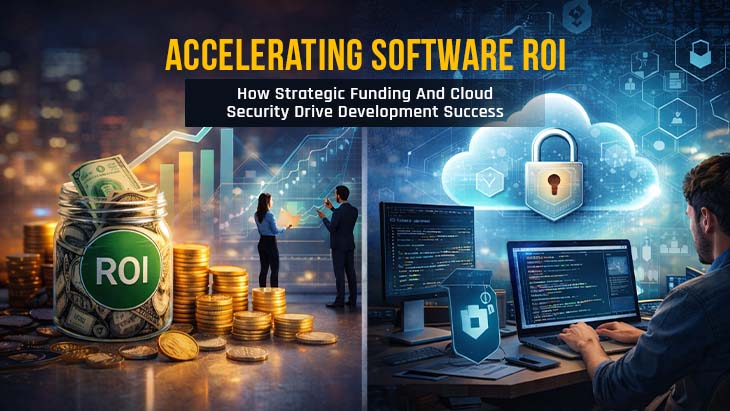

The Imperative of Strategic Funding in Software Development
In today’s rapidly evolving technological landscape, achieving a high return on investment (ROI) in software development hinges not only on innovative ideas but also on securing the right financial backing. Strategic funding acts as a catalyst, enabling companies to accelerate development timelines, improve product quality, and adapt swiftly to market demands. However, navigating the complex funding ecosystem can be challenging for many organizations, especially when balancing operational expenses with investment in cutting-edge technology.
Recent studies reveal that 70% of software projects fail due to budget overruns or inadequate funding, underscoring the critical need for well-planned financial strategies. This startling figure highlights how insufficient funding can derail even the most promising projects, leading to wasted resources and missed market opportunities. Proper funding ensures that development teams have access to necessary resources, including skilled personnel, development tools, and quality assurance processes- all of which are essential for delivering software that meets or exceeds expectations
Beyond simply securing capital, strategic funding involves aligning financial resources with business goals and project milestones. For example, phased funding tied to development sprints or feature releases can help maintain momentum and ensure that investments are yielding tangible progress. Moreover, strategic funding enables organizations to invest in emerging technologies and innovation, which can differentiate their software offerings in crowded markets.
For companies seeking optimal financial solutions, partnering with reliable financial advisors can make a significant difference. Credibly's loan experts provide tailored lending options that help businesses bridge funding gaps efficiently. Their expertise allows organizations to secure capital without compromising on operational agility, thereby positioning them to maximize their software investments. By leveraging such partnerships, businesses can access flexible loan structures, venture debt, or equipment financing tailored specifically to technology development needs, reducing the risk of cash flow constraints that might otherwise slow down progress.
The Role of Cloud Security in Safeguarding Software Assets
As businesses increasingly migrate their software infrastructure to the cloud, security has emerged as a paramount concern. The integration of robust cloud security measures is no longer optional; it is a fundamental requirement for protecting sensitive data, maintaining compliance, and sustaining user trust. The global average cost of a data breach reached $4.45 million in 2023, highlighting the financial risks associated with inadequate security. This figure reflects not only direct remediation expenses but also costs related to reputational damage, legal penalties, and lost business opportunities.
Cloud environments, while offering scalability and flexibility, also introduce unique vulnerabilities that must be vigilantly managed. These include risks such as misconfigured storage buckets, insecure APIs, and insider threats. Collaborating with experienced cybersecurity professionals ensures that these risks are mitigated effectively.
Zenetrix's IT security team specialize in delivering comprehensive cybersecurity solutions tailored to the specific needs of cloud-based software development projects. Their proactive approach helps organizations defend against evolving threats, thereby safeguarding both their intellectual property and customer data.
Effective cloud security strategies encompass a range of practices, including continuous monitoring, identity and access management, encryption, and incident response planning. Incorporating security into the software development lifecycle-often referred to as DevSecOps-ensures that vulnerabilities are identified and addressed early, reducing the likelihood of costly breaches post-deployment. Additionally, adherence to industry standards and regulatory requirements (such as GDPR, HIPAA, or PCI-DSS) is critical for companies operating in sensitive sectors.
Integrating Funding Strategies with Cloud Security for Enhanced ROI
The convergence of strategic funding and robust cloud security creates a powerful synergy that drives software development success. When these elements are aligned, organizations can accelerate their development pipelines, reduce time-to-market, and enhance product reliability-all while minimizing financial and operational risks.
For example, allocating part of the secured funding specifically toward cloud security initiatives can prevent costly breaches and downtime that would otherwise erode ROI. Investing in security also improves compliance posture, which can be a critical differentiator in regulated industries such as finance and healthcare. Furthermore, demonstrating a strong security framework can enhance customer confidence, leading to increased adoption and retention rates.
According to Gartner, organizations that integrate security early in their development lifecycle experience 50% fewer security incidents and save up to 30% in remediation costs. This statistic underscores the value of combining financial planning with security foresight to optimize software project outcomes. Moreover, the same study highlights that embedding security practices can reduce time-to-market by enabling faster approvals and smoother audits, which directly contributes to accelerated ROI.
Strategic funding also allows organizations to invest in advanced security technologies such as AI-driven threat detection, automated compliance management, and zero-trust architectures. These innovations not only bolster defense mechanisms but also streamline security operations, reducing overhead and freeing development teams to focus on delivering features and enhancements.
Practical Steps to Accelerate Software ROI
Achieving accelerated ROI in software development requires a deliberate and integrated approach that combines financial acumen with security best practices. Here are practical steps organizations can implement:
1. Perform a Comprehensive Financial Assessment: Evaluate current funding sources and identify potential gaps. Engaging experts in business finance can uncover alternative lending options and grants designed for technology projects. This assessment should also include forecasting future capital needs based on development roadmaps and market expansion plans.
2. Prioritize Security Investments: Recognize cloud security not as an overhead cost but as an integral part of your development budget. Collaborate with specialized cybersecurity teams to implement best practices and continuous monitoring. Security should be embedded into every stage of development, from design to deployment.
3. Adopt Agile Development Methodologies: Agile frameworks facilitate iterative progress, allowing for adaptive funding allocation aligned with project milestones and security requirements. This flexibility helps teams respond quickly to changing market demands and emerging security threats.
4. Leverage Cloud-Native Technologies: Utilize cloud platforms that offer built-in security features and scalability, reducing the need for extensive upfront infrastructure investment. Cloud-native tools often come with automated patching, identity management, and compliance certifications that simplify security management.
5. Measure and Optimize Continuously: Use analytics and feedback loops to monitor both financial performance and security effectiveness, making adjustments to maximize ROI. Key performance indicators (KPIs) might include development velocity, defect rates, security incident frequency, and cost per feature delivered.
6. Foster Cross-Functional Collaboration: Encourage close cooperation between finance, development, security, and operations teams to ensure alignment of goals and transparency in resource allocation. This collaboration can uncover hidden risks and opportunities, enhancing overall project success.
Overcoming Common Challenges
Despite the clear benefits of strategic funding and cloud security, many organizations face challenges in implementation. One common obstacle is the perception of security as a cost center rather than a value driver. Educating stakeholders about the tangible ROI benefits of strong security practices can shift this mindset.
Another challenge is securing funding in uncertain economic climates. Companies can mitigate this by exploring diverse financing options such as government grants, innovation funds, or equity investments focused on technology growth. Additionally, phased funding tied to clear deliverables can reduce investor risk and increase confidence.
Technical complexity and talent shortages in cybersecurity also pose hurdles. Partnering with specialized firms or leveraging managed security services can provide access to expertise without the overhead of building in-house teams. This approach allows organizations to maintain high security standards while focusing internal resources on core development activities.
Conclusion
Accelerating software ROI requires a holistic approach that combines strategic funding with uncompromising cloud security. By securing the right financial resources through knowledgeable partners, like and fortifying cloud environments with the expertise of organizations, they can enhance development velocity, reduce risks, and deliver superior software solutions. In an era where competitive advantage is closely tied to technological innovation, integrating these critical components is essential for sustainable success.
As the software landscape continues to evolve, businesses that proactively align their funding strategies with robust cloud security practices will be better positioned to capitalize on emerging opportunities, safeguard their assets, and achieve enduring growth. Embracing this integrated approach is not just a best practice-it is a strategic imperative for any organization aiming to thrive in today’s digital economy.



Post Comments