







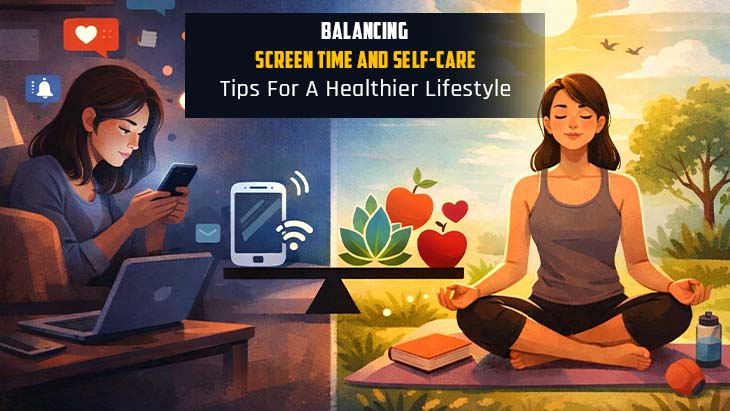

Screens are part of daily life. We work on laptops, scroll on phones, watch shows, and check messages all day. While technology keeps us connected and productive, too much screen time can slowly affect sleep, focus, and overall health. Many people notice eye strain, tiredness, or less time for real rest.
The good news is that small changes can make a big difference. Creating simple habits like taking short breaks, moving your body, and setting limits on screen use can help restore balance. When screen time and self-care work together, you can stay productive while still protecting your physical and mental well-being.
What Screen Time Actually Does to You
Let's get real about what's happening when we spend too much time staring at displays. The consequences aren't imaginary; they're measurable and affect both body and mind.
Your eyes get tired, sure. But that’s just the beginning. Blue light from screens interferes with melatonin, the hormone that tells your body it’s time to sleep. When sleep suffers, everything else follows: irritability, mood problems, even anxiety. Then there are physical issues, constant headaches, neck pain, and poor posture from looking down at devices for hours.
For families dealing with more serious challenges around screens and emotional health, particularly in Los Angeles County, specialized support can make all the difference. Teens often struggle the most because these habits build up quickly and affect school, friendships, and confidence. In some cases, families turn to professional support, Residential Treatment for Teens in Los Angeles County to help young people reset unhealthy patterns and rebuild balanced routines. Breaking this cycle takes awareness, support, and consistent daily changes.
The Social Media Trap
Social platforms bring their own unique problems. They're engineered to keep you scrolling, and in the process, they trigger comparison, inadequacy, and that awful FOMO feeling. Teenagers are especially at risk since they're still figuring out who they are. Watching everyone else's carefully edited highlight reel can absolutely destroy self-esteem and feed anxiety or depression. This is where digital wellness becomes essential, learning to filter content and guard your mental space.
Self-Care Practices That Actually Work
Understanding the problem is step one. Taking action is step two. Here's how self-care tips designed for our always-connected reality can change things.
Building Routines That Pull You Away from Screens
Create morning habits that don't start with grabbing your phone. Maybe it's a quick walk around the block, putting pen to paper in a journal, or simple stretching exercises. Research backs this up: both intervention conditions resulted in reductions in stress, and coached users reported less sleep-related impairment, proving that intentional self-care activities genuinely improve how you feel.
Supporting these habits with balanced nutrition can also make a difference, and consulting a registered dietitian can help you develop eating strategies that fit your lifestyle and long-term wellness goals.
Choosing Screen Time Wisely
Not every minute on a screen carries the same weight. Video chatting with family beats mindless scrolling every time. Healthy screen habits begin with intentionality. Ask yourself this simple question: "Does this content improve my life, or am I just killing time?" Use app timers.
Clean up your social feeds to follow accounts that uplift rather than drain you. Unfollow anything that consistently makes you feel worse. These small tweaks completely transform your relationship with technology.
How to Actually Cut Back Without Going Cold Turkey
Let's face it, telling people to abandon their phones entirely isn't practical or realistic. What you need are sustainable ways to reduce screen time while staying connected to what matters.
Setting Boundaries That Stick
Creating limits doesn't make you a Luddite. It makes you intentional. Tools like Apple Screen Time or Google Family Link help you monitor usage and cap time on specific apps. Establish household rules everyone agrees to, phones stay off the dinner table, and devices get put away an hour before bed. The magic happens when everyone commits together. Start with manageable changes, stay consistent, and tweak as you learn what works.
Making Offline Life Interesting Again
Want to spend less time on screens? Give yourself better alternatives. Dive into art projects, join a sports team, volunteer somewhere meaningful, or challenge friends to a tech-free weekend.
When standard approaches aren't enough, Residential Treatment for Teens provides comprehensive care, combining structured daily routines, mental health therapy, and development of lasting coping skills in a supportive, supervised setting. These programs emphasize whole-person healing, teaching young people to build healthier patterns that stick. The real trick is making your offline world compelling enough that reaching for your phone stops being automatic.
Creating Your Digital Wellness Blueprint
Lasting change doesn't happen in a day. But building a digital wellness routine at home creates the foundation for sustainable transformation.
Getting Everyone on Board
Parents, your behavior sets the standard. If you want kids to limit screen time, you need to demonstrate it yourself. Put down your phone. Be present during conversations. Talk honestly about why balance matters, without judgment or lectures. Acknowledge progress, even small wins like a screen-free Sunday afternoon or consistent bedtime boundaries. When the whole family works together, accountability becomes natural rather than forced.
Staying Balanced as Technology Evolves
Technology moves fast. Your wellness strategies need to keep pace.
Emerging Tools for Digital Balance
Innovation in this space is accelerating. VR mindfulness experiences, AI wellness coaching, and biofeedback devices are all becoming mainstream options. Here's what research shows: a recent meta-analysis revealed that digital BA interventions, used as self-guided tools or with support from a therapist or lay coach, can improve depressive symptoms, anxiety, and other aspects of quality of life. Schools and youth organizations are incorporating these tools, making digital wellness more accessible. The key is selecting tools that genuinely help instead of adding more screen exposure.
Adapting for Tomorrow
As new technology emerges, stay curious but critical. Make well-being your north star for every decision. Review your digital habits regularly, keep up with current research, and adjust strategies as circumstances change. You're not aiming for perfection; progress is the goal.
Your Questions Answered
What are the warning signs of screen time dependency?
Watch for irritability when devices aren't available, neglecting responsibilities, disrupted sleep patterns, and avoiding face-to-face social interaction. Physical symptoms include eye strain and frequent headaches.
Which offline activities are most effective at curbing screen dependency in teens?
Team sports, creative outlets like music or art, volunteer work, and outdoor activities prove most effective. Anything combining social interaction or physical movement tends to stick.
Do blue light blockers and screen filters actually help with digital wellness?
They can minimize eye strain and support better sleep by filtering blue light before bedtime. But they're not magic; reducing total screen time remains critical.
Moving Forward with Purpose
Achieving screen time balance isn't about rejecting technology; it's about using it deliberately while protecting what truly matters: your health, relationships, and inner peace. By embracing healthy screen habits, practicing targeted self-care tips, and seeking support when necessary, you take control and build a lifestyle that satisfies you both online and offline. Small, consistent changes compound over time. Every step toward digital wellness brings you closer to a healthier, more present version of yourself. Begin now, your future self is counting on you.





Post Comments