









Bringing a software idea to life is exciting—but it can also feel overwhelming. As a B2B SaaS founder, you may have a vision for a game-changing product, but the path from concept to a functioning MVP (Minimum Viable Product) often feels like a maze. With limited time, budget constraints, and competitive pressure, moving quickly without compromising quality is essential.
The good news? Building a robust MVP in 90 days is achievable, provided you follow a clear, structured approach. In this guide, we’ll break down the process into actionable steps that help you validate your idea, prioritize features, and deliver a functional SaaS product quickly.
1. Clarify Your Vision and Problem Statement
Every successful SaaS product begins with a clear understanding of the problem it solves. Before touching any code, you need to answer:
- Who is your target audience?
- What specific pain point are you addressing?
- How is your solution different from existing options?
Documenting your vision in a concise problem statement helps guide feature prioritization. Remember, the MVP is not a full-featured product—it’s the simplest version that delivers value and validates your assumptions.
Pro tip: Talk to at least 10 potential users or clients before development. Their feedback will inform your MVP features and reduce wasted effort.
2. Define Core Features
Once you understand the problem, it’s time to define your MVP’s core features. The key is to focus on the must-have functionality that solves the primary pain point.
Avoid the temptation to add “nice-to-have” features in this stage—they can slow you down and dilute the testing process. To help, create a feature prioritization chart:
- Must-have: Features without which the product cannot function
- Should-have: Features that enhance user experience but aren’t critical
- Nice-to-have: Features for future iterations
For example, if your SaaS automates invoice processing, the core MVP might only need:
- User login and authentication
- Upload invoices in CSV or PDF format
- Automatic parsing and categorization
- Basic reporting dashboard
Anything beyond that—like multi-currency support, integrations with 10+ accounting platforms, or advanced analytics—can wait for later releases.
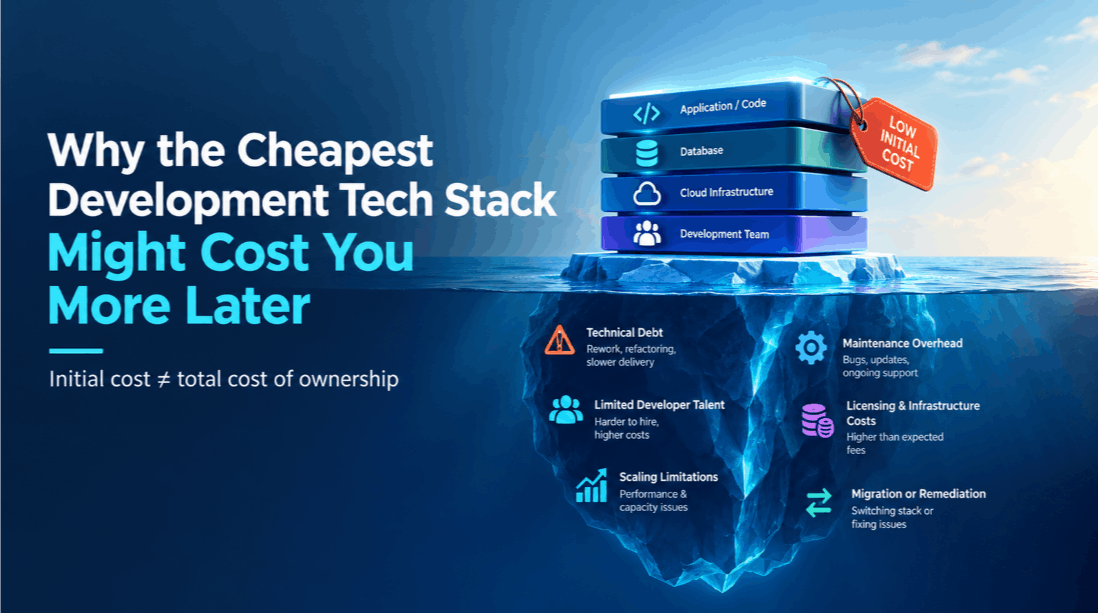
3. Choose the Right Technology Stack
Time and resources are critical in a 90-day MVP project. Choosing the right technology stack can speed up development while keeping the product scalable.
Some common decisions include:
- Frontend frameworks: React, Vue, or Angular for web apps
- Backend: Node.js, Django, or Ruby on Rails
- Database: PostgreSQL or MongoDB depending on structured vs unstructured data
- Cloud hosting: AWS, Google Cloud, or Azure
- DevOps & CI/CD: Automate testing and deployment from the start
If you’re unsure, consulting a development partner experienced in building SaaS MVPs can save time. They can help you choose a stack that balances speed, cost, and future scalability.
4. Map Out User Journeys and UX/UI Design
Even an MVP must be intuitive. A confusing interface can kill early adoption before users even test your core functionality.
Start by mapping user journeys:
- How does a new user sign up?
- What steps do they take to achieve the main task?
- Where might they get stuck or confused?
Create simple wireframes and clickable prototypes using tools like Figma or Sketch. Testing these with real users before coding saves significant rework later.
Tip: Don’t over-design. Clean, functional layouts are better than flashy but confusing interfaces.
5. Build in Iterations (Agile Approach)
A 90-day timeline is tight, so you need an iterative development process:
- Break the MVP into weekly sprints
- Deliver small, functional modules at the end of each sprint
- Test internally, then with a small user group
- Collect feedback and adjust priorities
Using Agile methodology ensures that you’re not waiting until day 90 to see results. It also allows for flexibility if market feedback suggests a pivot or adjustment in features.
6. Test Early and Often
Testing is not just about bug fixing—it’s about validating your assumptions. During your MVP build, focus on three types of testing:
- Functional testing: Ensures the features work as intended
- Usability testing: Verifies users can complete key tasks without frustration
- Performance testing: Confirms the app can handle expected usage
Early testing reduces surprises post-launch and increases the likelihood that your MVP will be adopted by real users.
7. Prepare for Launch
Even if the MVP is “minimal,” it still needs a proper launch strategy. Consider:
- Beta testing: Launch to a small group of early adopters to collect feedback
- Landing page: Create a clear, persuasive page to capture interest and emails
- Analytics setup: Implement tracking for key metrics (sign-ups, feature usage, churn)
- Support channels: Provide email, chat, or helpdesk support to quickly resolve issues
Remember, the goal is not perfection—it’s to learn what works and what doesn’t from real users.
8. Measure, Learn, Iterate
After launch, the work continues. The MVP is a tool for learning:
- Which features are most used?
- Where are users dropping off?
- Are there common requests for functionality not included in the MVP?
Use this data to inform the next development cycle, adding high-priority features or optimizing the experience. This iterative learning loop is what turns an MVP into a full-fledged product.
9. Time Management Tips to Hit 90 Days
A short timeline can be daunting. Here’s how to stay on track:
- Plan before coding: 2 weeks for research, wireframes, and tech decisions
- Two-week sprints: Deliver incremental functionality, not everything at once
- Limit meetings: Daily stand-ups of 15 minutes max
- Delegate effectively: If you have a small team, assign features based on expertise
- Focus on the “must-haves” only: Avoid feature creep
With focus and structured planning, 90 days is achievable even for complex B2B SaaS MVPs.
Conclusion
Building a B2B SaaS MVP in 90 days is challenging but entirely possible with the right approach. Clarify your vision, define core features, choose a reliable tech stack, design a clean user experience, and follow an iterative development process. Focus on early user feedback and measure everything—your MVP’s success lies in learning and iterating quickly.
Remember, it’s not about building a perfect product; it’s about delivering enough value to validate your idea and attract your first users or customers.
If you’re considering building your own MVP and want guidance from experienced developers who specialize in custom SaaS MVP development, check out Codevelo’s practical approach to turning ideas into software.
With a structured process, a lean team, and a clear timeline, your 90-day MVP can become the foundation for a successful B2B SaaS product.




Post Comments