







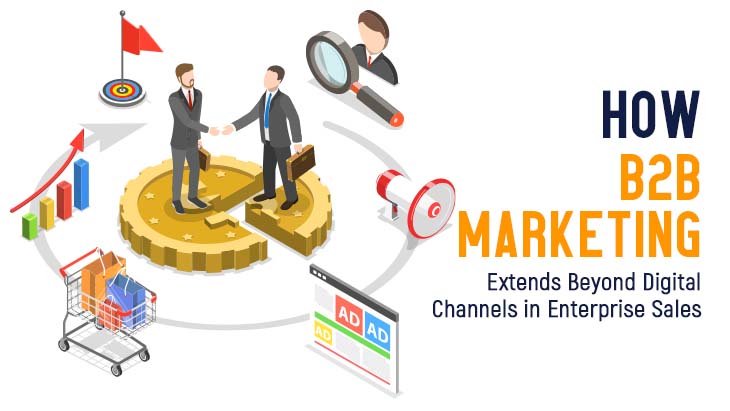

Enterprise sales, which is a type of B2B marketing, is usually linked to online interaction programs, data analysis, and digital platforms. These tools are valuable, but they do not cover the complexity of enterprise buying decisions, which is concentrated on the long sales cycles, more than one stakeholder and relationships founded on trust. By extending the marketing to other platforms beyond the digital platforms, organizations can build on the credibility, build on human relationships, and impact decision makers in the settings where personal interaction is still highly valued.
Enterprise Relationships
Enterprise sales involve creating relationships through the process of building, not fast transactions. Senior decision makers tend to enjoy face to face interactions as they bring clarity, responsibility and assurance in the vendor to execute complicated promises. In-person communication enables marketers and sales leaders to accommodate subtle issues that might not emerge with a digital mode of communication only.
Personal relationships also assist in aligning marketing messages with what is going on in the operations of the enterprises. Marketers have an opportunity to understand organizational culture, the internal issues, and long term objectives when they directly interact with the clients. These insights enable the message to be more topical and believable, supporting the feeling of partnership, not promotion.
Physical Presence
Physical presence has a significant part in enterprise marketing as it makes a brand physical and definite. On site presentations, office visits, and site tours illustrate dedication and competence in operations. These interactions assist the enterprises to evaluate professionalism, scale, and reliability which cannot be fully communicated through digital touchpoints.
Sensory and visual factors also play a role in perception in the face to face interaction. Branded environments, presentation materials, and even corporate clothing are some of the details, which give an indication of consistency and attention to detail. These unspoken signals determine how the consumers of the decision-making process will see the brand as mature and fitting their enterprise values.
Events and Meetings
Enterprise sales marketing is still affected by industry conferences, round tables and such events. Such environments offer chances to relate with various stakeholders at the same time as the brand is projected as an active and informed entity in its industry. Engagement in these kinds of settings is usually implicitly endorsed and credible.
Smaller meetings and sessions hosted also enhance greater engagement because they provide room to have a more deliberate discussion. Reflectively scheduled meetings, backed by significant gestures like carefully selected corporate gifts, may create a long lasting effect without overemphasising the business purpose. When applied in a moderate manner, these aspects strengthen respect and appreciation in business relationships.
Brand Experience
In addition to messaging, enterprise buyers consider the experience of engaging with a brand in general. This experience also involves responsiveness, professionalism and capability to provide consistent value to all touchpoints. In offline communication, it is common to understand the extent to which an organization is matching the internal teams with what it promises to the outside world.
The digital claims need to correlate with behavior in the real world. As enterprise buyers are faced with the same values and standards during meetings as they are found online, trust is supported. This fact shows that marketing stories have their basis in the operational reality as opposed to the face of promotion.
Integrated Approach
The best business-to-business strategies combine both digital and non digital channels into one good business strategy. The interest may be generated in the digital space, and the information may be obtained, and the commitment and deeper comprehension may be achieved offline. The channels complement each other in that each channel focuses on the other channel with reinforcing key messages in various types of interaction.
It is also integrated, which guarantees continuity in the sales process. Marketing is more responsive and relevant when the information gained offline influences the material of digital content and subsequent communication. This synchronization makes the enterprises feel represented and assisted at all levels of decision making.
Conclusion
B2B marketing should not be limited to digital media but should be viewed as an acknowledgment of the complexity of an enterprise. The high value sales need trust, credibility and human contact which cannot be wholly built by using the screen only. Offline interaction makes the marketing moves more comprehensive and real.
Physical presence, relationship building and experience branding coupled with digital tactics help organizations build a more convincing and strong marketing platform. This middle ground will place the B2B marketer to impact enterprise buyers in a significant manner that fosters the long term partnerships and long-term growth.



Post Comments