









Every year, eCommerce teams invest enormous effort into optimising product pages, improving UX, streamlining checkout flows, and running increasingly sophisticated marketing campaigns. Yet many businesses still feel a persistent drag on growth — a sense that no matter how much they optimise, the platform itself is holding them back.
That’s because most limitations in digital commerce don’t appear at the UI level. They come from the architecture of traditional eCommerce platforms. Magento, WooCommerce, Prestashop, and other monolithic systems were not designed for the realities of modern commerce: omnichannel, personalised experiences, API-driven integrations, and rapid development cycles.
The problems with traditional eCommerce platforms
As businesses scale, three systemic issues start to surface. They’re not caused by poor optimisation or weak development teams — they stem from how older platforms were designed.
1. Rigid, one-size-fits-all architectures
Most legacy systems assume every store should follow the same pattern: fixed product models, fixed checkout workflows, preset discount logic, limited pricing structures, and tightly coupled frontends.
The moment a business needs something specific — B2B account logic, complex product configurators, multi-step quotations, regional pricing rules — the system starts to resist. Developers respond with patches, overrides, and workarounds.
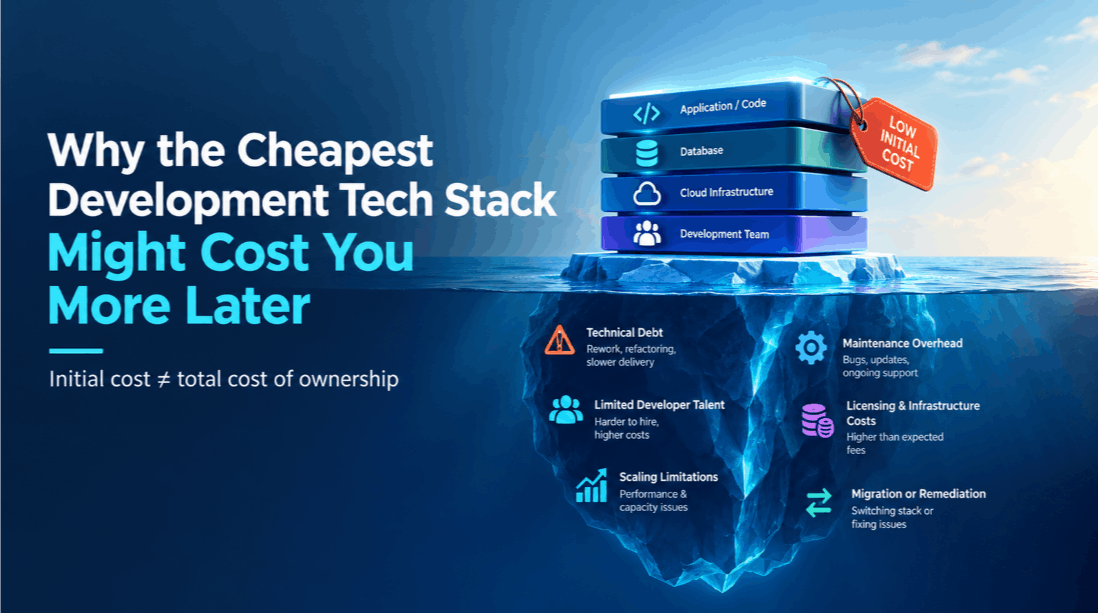
Over time, this creates technical debt that slows down every new feature and eventually makes upgrades risky or impossible.
2. Performance and scalability limitations
Monolithic platforms grow heavy as features accumulate. Each plugin adds processing overhead. Each customisation touches the core. Eventually the system becomes fragile:
* loading times increase
* background jobs slow down
* high-traffic periods cause instability
Teams often try to optimise things at the theme or hosting level, but the bottleneck is deeper — architectural bloat.
Even small performance gains can lift conversion rates, yet monolithic systems make those gains increasingly difficult as the store grows.
3. Development and maintenance bottlenecks
When the backend, frontend, and business logic are all intertwined, changing one layer inevitably affects others. Medusa developers must understand huge, legacy codebases just to implement simple updates.
Customisations become “surgery”, not development. Teams spend more time debugging than building. Release cycles slow. Innovation stalls.
For companies with ambitions beyond standard B2C checkout, monolithic platforms start to feel like a ceiling.
How Medusa.js solves these problems
Medusa.js was not built as a “modern Magento”. It was designed from scratch to remove the architectural constraints that hold back custom commerce. Its strength comes from how it treats flexibility, performance, and maintainability as core principles — not optional enhancements.
Modular, headless architecture
Medusa’s backend is fully decoupled from the presentation layer. Frontend teams can use any technology: Next.js, React, Vue, mobile apps, kiosks, or entirely custom frontends.
This separation eliminates one of the biggest pain points of monolithic platforms: tightly coupled templates. The backend becomes a clean API service, while the frontend becomes a canvas for creativity and performance optimisation.
Modularity also means that features are isolated. Carts, payments, fulfillment, and notifications all exist as independent modules. You can replace, extend, or disable them without affecting the entire system.
This results in:
* faster performance
* easier scaling
* significantly cleaner codebases
Purpose-built framework for customisation
Medusa is not just flexible — it encourages clean, maintainable customisation. Three design principles make this possible:
* API-first architecture: every function is exposed through APIs.
* Modular services: feature-specific code stays isolated.
* Event-driven workflows: custom logic hooks into lifecycle events without modifying the core.
Instead of hacking the platform, teams build new functionality as separate services or modules. This keeps the core clean, minimises technical debt, and ensures that future updates remain safe and predictable.
High performance and scalability
Medusa’s architecture is built for speed. It uses efficient PostgreSQL queries, asynchronous event processing, and lightweight Node.js services. The system stays responsive even as traffic increases or features expand.
Performance improvements come naturally from the architecture — not from layers of caching or patchwork optimisation.
This makes Medusa a strong fit for:
* rapidly growing D2C brands
* B2B companies with dynamic pricing
* subscription services
* multi-region or multi-store setups
When the backend stays lean, the frontend can reach its full performance potential.
Faster development cycles
Modern development teams value velocity. Medusa enables faster cycles because developers work with familiar, modern technologies: Node.js, TypeScript/JavaScript, Express-style service patterns.
Key benefits include:
* minimal debugging thanks to modular structure
* reduced maintenance burden
* quicker onboarding for new developers
* faster time-to-market for new features
Starter templates, clear documentation, and predictable patterns let teams focus on building value rather than fighting with the platform.
Real-world benefits of a headless approach
Going headless is not just a technical decision. It changes what the business can deliver.
With Medusa, companies can:
* build personalised customer experiences without backend limitations
* create consistent omnichannel flows across web, mobile, POS, or even IoT devices
* integrate tools and channels that don’t exist yet
* experiment with new commerce models without rewriting the entire system
This future-proofing is critical for companies with ambitions beyond a simple storefront.
The real-world business value of going headless
When architecture is no longer the bottleneck, teams shift from maintaining systems to building products. Businesses gain:
* faster experimentation cycles
* lower long-term maintenance costs
* improved performance and conversions
* reduced risk of platform lock-in
* the ability to scale without architectural pain
Headless commerce becomes a strategic advantage rather than a trend.
Who is Medusa.js for?
Medusa.js is an excellent match for:
* companies with internal development teams
* organisations that have outgrown older platforms
* brands needing custom workflows or complex integrations
* businesses planning omnichannel experiences
* teams frustrated by the limitations of Magento, WooCommerce, or Shopify’s constraints
However, it’s not ideal for very small teams with no development resources or businesses that require only basic B2C flows with minimal custom logic. In those cases, a simple SaaS platform may be more appropriate.
Modernising your commerce architecture is a strategic decision
Choosing an eCommerce platform used to be a matter of picking the right features. Today, it’s a matter of choosing the right architecture.
Medusa.js stands out not because it's open-source or headless, but because it eliminates the core limitations that make traditional platforms difficult to scale. It offers flexibility without sacrificing performance, and customisation without creating technical debt.
For companies planning to grow, extend their digital ecosystem, or innovate beyond standard eCommerce flows, Medusa.js is more than a framework — it’s a foundation for sustainable development.
If your current platform is slowing you down, it may be time to explore what a modern, modular architecture can unlock.




Post Comments