








Social media growth isn't just about gaining followers, it's about understanding the dynamics of your audience. For content creators, influencers, and businesses on Instagram, there's a puzzling phenomenon that everyone experiences but few understand: the mysterious disappearing follower. You work hard to create engaging content, your follower count climbs steadily, yet something feels off. People are quietly hitting that unfollow button, and Instagram doesn't tell you who or why.
This information gap creates real challenges. Without knowing who unfollowed you, it's nearly impossible to identify patterns, understand what content might be driving people away, or assess whether your growth strategy is truly working. You're essentially flying blind, making decisions based on incomplete data.
The Hidden Story Behind Your Follower Count
Instagram's interface shows you a simple number: your total followers. It's clean, straightforward, and completely misleading. Behind that single digit lies a complex story of arrivals and departures, engagement and disengagement, genuine fans and casual scrollers.
Consider this scenario: You post consistently for a month and gain 500 new followers. Excellent progress, right? But what if 300 people unfollowed during that same period? Your net gain of 200 tells a very different story than the 500 new followers suggest. Understanding this churn rate is essential for honest assessment of your Instagram performance.
The challenge goes deeper than simple numbers. Different types of content attract different audiences. That viral reel might bring thousands of new followers, but if it's completely off-brand, those followers will likely disappear once they realize your typical content doesn't match their expectations. Without tracking tools, you'd never make this connection.
Why Tracking Unfollowers Matters
Content Strategy Refinement: Imagine posting a controversial opinion piece and losing 50 followers overnight. That's valuable feedback. Or picture sharing behind-the-scenes content that results in zero unfollows and higher engagement. These patterns, visible only through tracking, guide better content decisions.
Relationship Management: For smaller accounts and personal brands, every follower represents a potential relationship. When someone you've engaged with regularly suddenly unfollows, that's worth knowing. Perhaps they changed accounts, took a social media break, or had a negative experience. Without tracking, you miss opportunities to address concerns or maintain valuable connections.
Authenticity Verification: In an era of fake followers and engagement pods, tracking who follows and unfollows helps identify suspicious patterns. Accounts that follow and unfollow within hours are typically running growth hacks, not building genuine interest. Recognizing these patterns protects your engagement rate and account authenticity.
Competitive Intelligence: If you notice sudden mass unfollows, it might indicate a broader shift in your niche or competitor activity. Perhaps a rival brand launched an aggressive campaign, or algorithm changes are affecting content visibility. Context matters, and tracking provides that context. This is where Instagram competitor analysis tools become essential, allowing you to compare follower trends, content performance, and growth tactics side by side so you can understand whether audience changes are driven by your strategy or by competitors gaining momentum.
Introducing Advanced Tracking Solutions
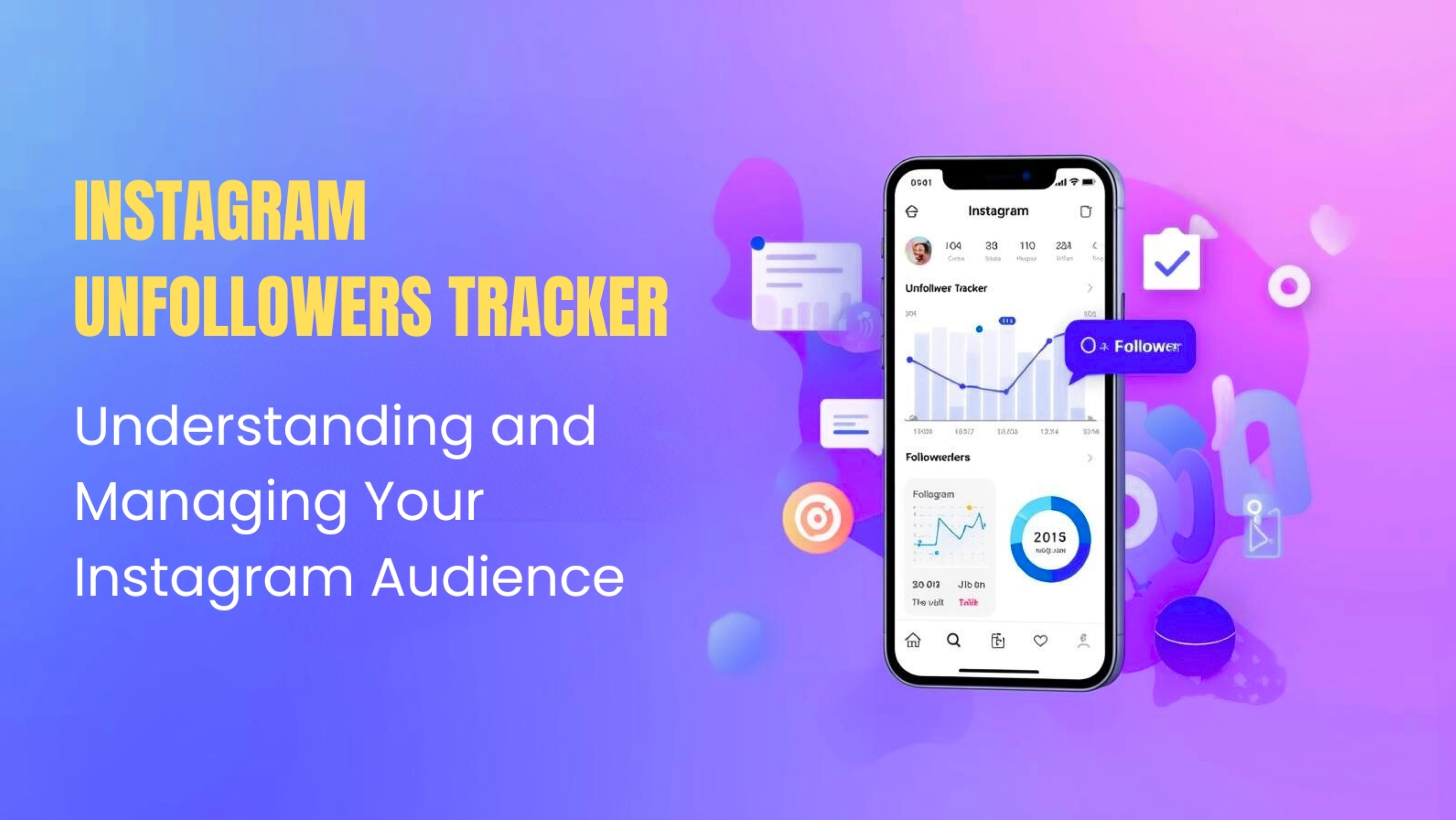
Dolphin Radar has developed a sophisticated solution to this common challenge. Their Instagram Unfollowers Tracker provides detailed insights into follower behavior, transforming that mysterious single number into actionable intelligence.
Core Features That Deliver Value
Real-Time Unfollower Detection: Rather than discovering weeks later that someone unfollowed, modern tracking tools identify changes as they happen. This immediacy allows you to correlate unfollows with specific posts or events, making pattern recognition much easier.
Historical Data Analysis: The real power comes from accumulated data. Over weeks and months, you can identify trends: Do you lose more followers on weekends? After certain content types? During specific campaigns? These insights, invisible in the moment, become clear when viewed historically.
Follower Quality Assessment: Not all followers are created equal. Tools that analyze engagement levels alongside follow/unfollow behavior help distinguish between valuable, engaged audience members and passive scrollers who add little value to your community.
Mutual Follow Tracking: Understanding who you follow versus who follows you back reveals opportunities and obligations. You might discover you're following accounts that don't reciprocate, or identify mutual follows who might be interested in collaboration.
Ghost Follower Identification: Accounts that never engage despite following you drag down your engagement rate. Advanced tracking tools identify these ghost followers, allowing you to make informed decisions about community management.
The User Experience Advantage
The best tracking tools balance comprehensive data with intuitive interfaces. You shouldn't need a data science degree to understand your follower dynamics. Clear dashboards, visual representations of trends, and straightforward reports make insights accessible to everyone from casual creators to marketing professionals.
Mobile accessibility matters too. Instagram is primarily a mobile platform, and tracking tools should reflect that reality. Apps that sync across devices ensure you can check unfollower activity whether you're at your desk or on the go.
Real-World Applications
Influencer Campaign Optimization: A lifestyle influencer noticed a pattern of unfollows after sponsored content. By tracking these losses and analyzing engagement, she discovered her audience preferred subtle product integration over obvious advertisements. Adjusting her sponsorship approach reduced unfollows by 60% while maintaining partnership revenue.
Brand Reputation Management: A small business tracked a sudden spike in unfollows to a customer service complaint that went viral. Early detection allowed them to address the issue publicly and personally, turning a potential crisis into a demonstration of responsive customer care.
Content Testing and Validation: A food blogger experimented with different posting times and content formats. Unfollower tracking revealed that recipe videos posted at 7 PM had minimal unfollow rates, while food photography at noon showed higher churn. This data directly informed their content calendar strategy.
Community Building: A fitness coach used mutual follow tracking to identify engaged community members. By focusing relationship-building efforts on these reciprocal connections, he created a tight-knit community that generated consistent engagement and referrals.
Strategic Insights from Unfollower Data
The goal isn't to obsess over every lost follower but to identify meaningful patterns. Here's how to extract strategic value from tracking data:
Identify Your Churn Baseline: Every account experiences natural follower turnover. Establish your normal range so you can recognize when something unusual happens. A 2% monthly churn might be typical, while 10% signals a problem.
Correlate with Content: Create a simple spreadsheet linking post dates with unfollow spikes. Over time, patterns emerge. Maybe political content drives unfollows, or perhaps vulnerability and personal stories strengthen your community.
Monitor Competitor Activity: Sudden follower changes might reflect industry shifts rather than your content. If everyone in your niche is experiencing similar patterns, the cause likely lies elsewhere, algorithm changes, seasonal trends, or major news events.
Segment Your Analysis: Not all followers are equally valuable. An unfollow from an engaged community member matters more than losing a bot or inactive account. Sophisticated analysis considers follower quality, not just quantity.
Beyond the Numbers
While tracking tools provide valuable data, remember that social media success transcends follower counts. An account with 10,000 highly engaged followers often outperforms one with 100,000 passive observers. Unfollower tracking serves strategic goals, improving content, strengthening community, and maximizing platform impact not ego validation.
Some unfollows are healthy. As your brand evolves and clarifies its message, you'll naturally lose followers who aren't aligned with your direction. This pruning process, though sometimes uncomfortable, creates space for the right audience to find and engage with you.
Privacy and Ethics
Legitimate tracking tools work within Instagram's API guidelines, accessing only information you have permission to see. They don't reveal why someone unfollowed (Instagram doesn't provide this data) or enable harassment of former followers. Ethical use of tracking data means respecting boundaries while leveraging insights for improvement.
Implementation Best Practices
Start with Baseline Measurement: Before making strategic changes, establish your current unfollower patterns. This baseline makes it possible to measure the impact of future adjustments.
Combine Qualitative and Quantitative Data: Numbers tell part of the story, but context completes it. Supplement tracking data with audience surveys, direct feedback, and engagement analysis.
Take Action, Not Just Notes: Data without action is just numbers. When tracking reveals insights, implement changes and measure results. Continuous improvement requires continuous adjustment.
Maintain Perspective: A few unfollows don't constitute a crisis. Focus on trends over time rather than daily fluctuations. Social media audiences naturally ebb and flow.
The Future of Audience Intelligence
As Instagram continues evolving its platform and privacy features, the tools and techniques for understanding audience behavior will adapt. The fundamental needunderstanding who engages with your content and whyremains constant. Businesses and creators who invest in proper tracking and analysis tools position themselves for sustained success regardless of platform changes.
Making It Work for You
Whether you're a solo creator building a personal brand, a small business growing local awareness, or an influencer managing multiple partnerships, unfollower tracking provides insights that drive better decisions.
For businesses handling several profiles, tools such as Multilogin for managing multiple Instagram accounts are often part of a broader workflow for organizing activity across brands, regions, or campaigns.
Start simply: track for one month without making changes. Observe patterns, note surprises, and develop hypotheses about what drives follower behavior on your account. Then test those hypotheses systematically, measuring results and refining your approach based on evidence rather than assumptions.
Conclusion
Who unfollowed me on Instagram? It's a question that haunts every content creator and marketer. More importantly, why did they unfollow, and what can you learn from their departure? Advanced tracking tools transform this mystery into actionable intelligence, helping you build stronger communities, create better content, and maximize your Instagram impact.
The most successful Instagram accounts aren't those with the most followers, they're the ones with the most engaged, aligned audiences. Unfollower tracking helps you understand and cultivate that alignment, turning casual scrollers into committed community members. In the competitive landscape of social media marketing, this understanding represents a significant strategic advantage.
Remember that growth isn't just about addition, it's about subtraction too. Every unfollow tells a story, and those stories, properly understood, guide you toward content that resonates, audiences that engage, and success that sustains. The question isn't whether to track unfollowers, but how quickly you can start leveraging these insights to build the Instagram presence you envision.



Post Comments