









Technology has become the foundation of modern business success. Whether a company operates in retail, healthcare, finance, manufacturing, education, or professional services, technology now influences nearly every aspect of daily operations. From managing customer relationships and analyzing data to improving communication and automating workflows, businesses rely on digital tools to remain competitive in a rapidly changing marketplace.
A decade ago, many companies viewed technology as a supporting function. Today, it is a strategic asset that drives growth, efficiency, innovation, and customer satisfaction. Organizations that embrace modern technology are often able to adapt faster to market changes, make better decisions, and deliver stronger customer experiences.
However, with so many software solutions and digital platforms available, choosing the right tools can be overwhelming. Business leaders must identify technologies that align with their goals while ensuring scalability, security, and ease of use.
This guide explores the most important categories of business technology and explains why they have become essential for modern organizations.
Cloud Computing: The Foundation of Modern Business Operations
Cloud computing has transformed the way businesses access and manage technology. Instead of investing heavily in on-premise servers and infrastructure, organizations can now access software, storage, and computing resources through the cloud.
Cloud-based platforms offer flexibility, scalability, and cost efficiency. Employees can access files, applications, and business systems from virtually any location, making remote and hybrid work environments easier to support.
Businesses also benefit from automatic updates, reduced maintenance requirements, and improved disaster recovery capabilities. Rather than managing complex infrastructure internally, organizations can focus on their core operations while cloud providers handle technical maintenance.
As businesses continue embracing digital transformation, cloud technology remains one of the most important investments companies can make.
Customer Relationship Management Systems
Building and maintaining strong customer relationships is essential for long-term business success. Customer Relationship Management (CRM) systems help organizations organize customer data, track interactions, and improve communication.
A CRM platform serves as a centralized hub where sales teams, marketing departments, and customer support staff can access customer information. This creates a more consistent and personalized experience across the entire customer journey.
Modern CRM systems also provide valuable insights into customer behavior, sales performance, and business opportunities. Companies can identify trends, monitor customer engagement, and make more informed decisions based on real-time data.
For businesses focused on growth, CRM technology has become an essential tool for improving customer retention and increasing revenue.
Communication and Collaboration Tools
Effective communication is critical for any organization, especially as remote and hybrid work models become more common.
Modern collaboration platforms allow teams to communicate, share files, manage projects, and conduct virtual meetings from anywhere. These tools help employees stay connected and productive regardless of their location.
Instead of relying solely on email, businesses now use integrated communication systems that combine messaging, video conferencing, document sharing, and project management capabilities.
Collaboration technology not only improves internal communication but also helps organizations respond more quickly to customer needs and market changes. Teams can work together more efficiently and maintain better visibility across projects and workflows.
As workplaces become increasingly digital, communication tools are essential for supporting productivity and teamwork.
Cybersecurity Solutions
As businesses rely more heavily on digital systems, cybersecurity has become a top priority.
Cyber threats continue to grow in sophistication, targeting organizations of all sizes. Data breaches, ransomware attacks, phishing attempts, and unauthorized access can cause significant financial and reputational damage.
Modern cybersecurity tools help businesses protect sensitive information, monitor network activity, and respond quickly to potential threats.
Many organizations now use advanced security solutions that include threat detection, endpoint protection, multi-factor authentication, and real-time monitoring. Artificial intelligence is also playing a growing role in cybersecurity by identifying unusual patterns and detecting threats before they escalate.
Investing in cybersecurity is no longer optional. It is a critical component of maintaining customer trust and ensuring business continuity.
Data Analytics and Business Intelligence Platforms
Data has become one of the most valuable assets available to modern organizations.
Every customer interaction, transaction, website visit, and operational activity generates information that can provide valuable insights. However, collecting data alone is not enough. Businesses must be able to analyze and interpret that information effectively.
Business intelligence and analytics platforms help organizations transform raw data into actionable insights. Leaders can monitor performance metrics, identify trends, forecast outcomes, and make data-driven decisions.
For example, retailers can analyze purchasing behavior, manufacturers can monitor production efficiency, and service providers can track customer satisfaction levels.
Organizations that leverage analytics effectively often gain a competitive advantage because they can make more informed and strategic decisions.
Artificial Intelligence and Automation Tools
Artificial intelligence is rapidly becoming one of the most influential technologies in business.
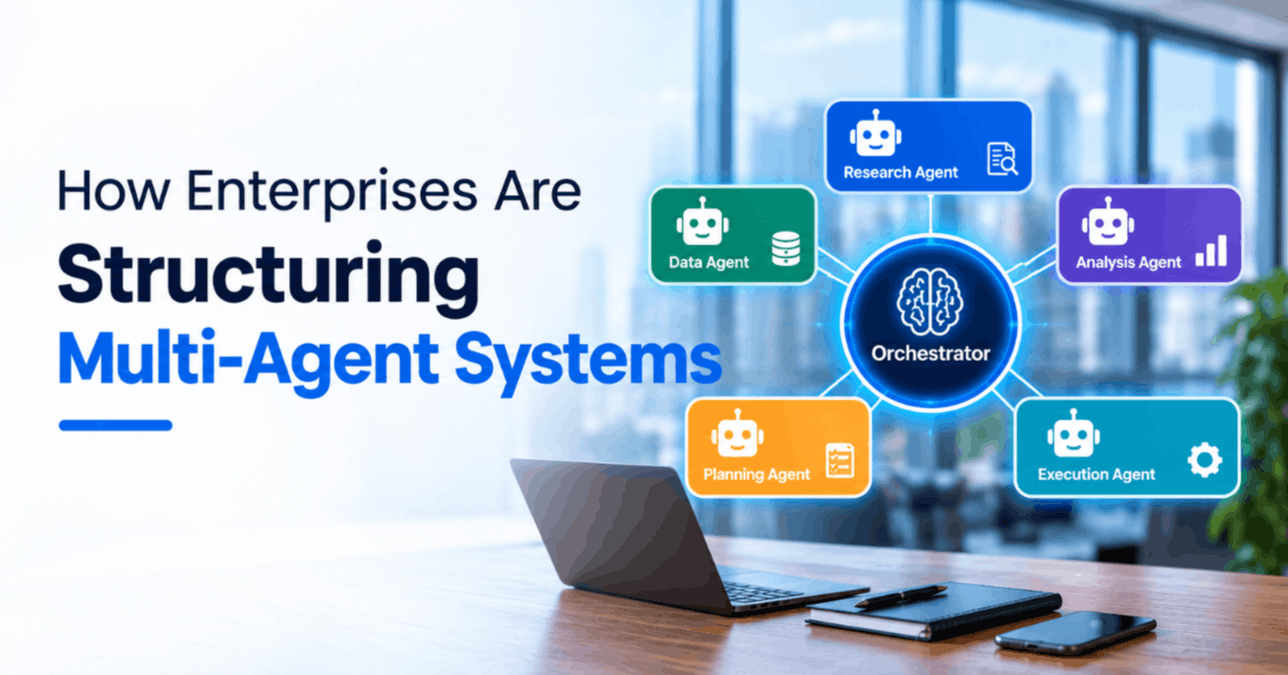
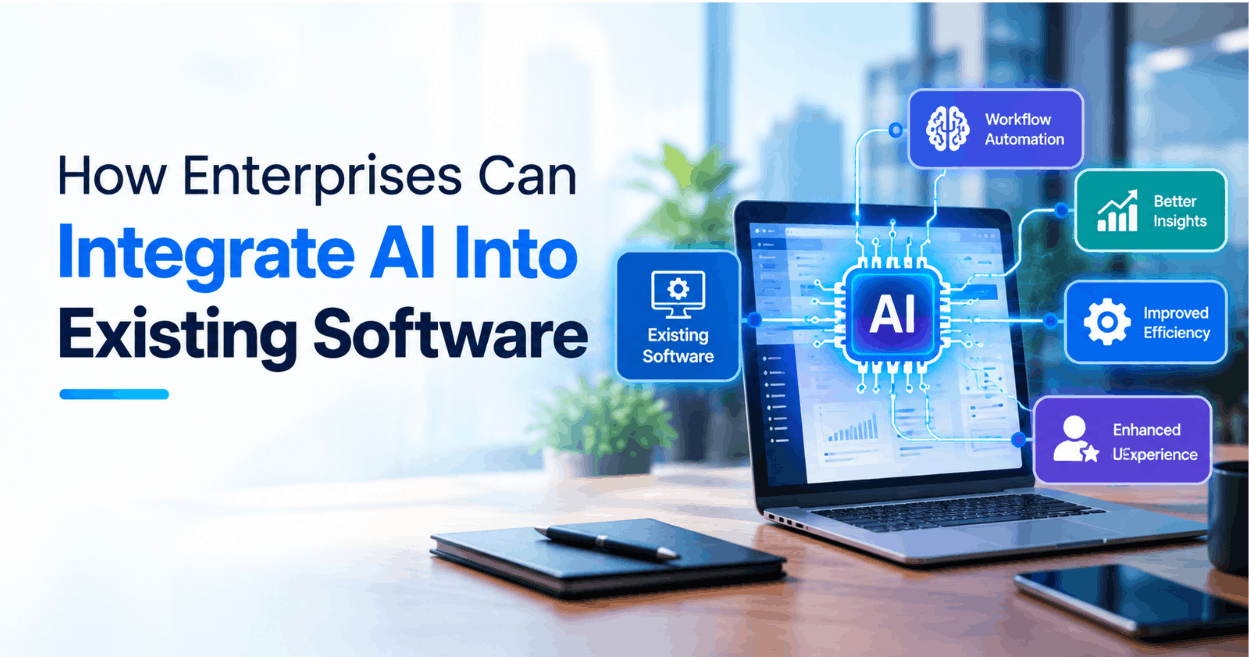
AI-powered tools such as AI CRM help organizations automate repetitive tasks, improve decision-making, and enhance customer experiences. These technologies can process large amounts of information quickly and identify patterns that would be difficult for humans to detect manually.
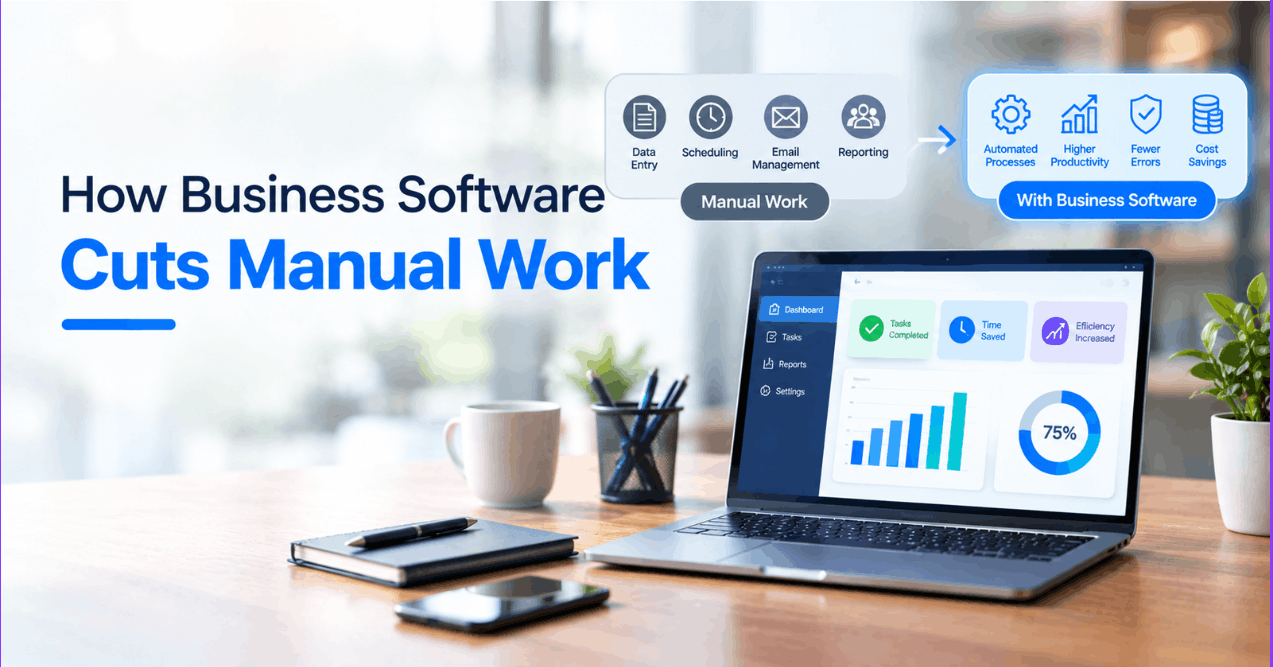
Automation tools reduce the time spent on routine administrative tasks such as scheduling, reporting, invoice processing, and customer communication.
AI is also transforming customer support through intelligent chat systems, personalized recommendations, and predictive analytics. Marketing teams use AI to optimize campaigns, while HR departments leverage AI for recruitment and workforce planning.
As artificial intelligence becomes more accessible, businesses across industries are finding innovative ways to improve efficiency and productivity.
Partnering with an AI software development company enables businesses to transform AI potential into practical solutions that drive efficiency, innovation, and growth.
Project Management Software
Successful organizations require clear visibility into projects, deadlines, resources, and team responsibilities.
Project management platforms help businesses organize workflows, assign tasks, monitor progress, and improve collaboration. These tools provide a centralized environment where teams can track project status and communicate effectively.
Without proper project management systems, businesses often struggle with missed deadlines, inefficient communication, and unclear accountability.
Modern project management solutions offer features such as task tracking, timeline visualization, workload management, and performance reporting. These capabilities help organizations improve execution and ensure projects remain aligned with business goals.
As businesses become more complex, project management technology plays an increasingly important role in operational success.
Financial Management and Accounting Software
Managing finances accurately is essential for business sustainability.
Modern accounting and financial management software helps organizations track expenses, manage invoices, monitor cash flow, and generate financial reports. These systems reduce manual work while improving accuracy and compliance.
Many financial platforms also integrate with banking systems, payroll tools, and tax reporting services. This creates a more efficient financial ecosystem and reduces administrative burdens.
Business leaders can access real-time financial data, making it easier to monitor performance and make strategic decisions.
Financial technology has become especially valuable for growing businesses that need scalable solutions without expanding administrative costs.
Digital Marketing Technology
Marketing has undergone a dramatic transformation due to digital technology.
Businesses now rely on various tools to manage social media campaigns, email marketing, content creation, search engine optimization, and advertising performance.
Marketing platforms help organizations reach target audiences more effectively while measuring campaign success through detailed analytics.
Artificial intelligence is also influencing digital marketing by enabling audience segmentation, predictive targeting, and content personalization. AI-powered video generation tools are becoming increasingly popular, allowing businesses to create marketing videos, social media content, and promotional materials quickly and efficiently.
These technologies help brands maintain visibility in competitive digital environments while improving engagement and return on investment.
Human Resource Management Systems
Employees are one of the most important assets any company possesses. Human resource technology helps organizations manage recruitment, onboarding, training, performance evaluation, and workforce planning more effectively.
Modern HR platforms streamline administrative processes while providing valuable insights into employee engagement and productivity.
Recruitment tools help businesses identify qualified candidates faster, while employee management systems simplify attendance tracking, benefits administration, and performance monitoring.
As workforce expectations continue evolving, HR technology is helping businesses create better employee experiences and improve retention.
Organizations that invest in effective workforce management tools often achieve stronger productivity and employee satisfaction.
E-Commerce and Customer Experience Platforms
For businesses selling products or services online, customer experience technology is critical.
Consumers expect seamless online experiences that allow them to browse products, complete transactions, and receive support easily. E-commerce platforms provide the infrastructure needed to deliver these experiences efficiently.
Modern e-commerce solutions integrate payment processing, inventory management, customer support, and analytics into a unified system.
Customer experience platforms also help businesses personalize interactions, track customer journeys, and improve engagement across multiple channels.
As online commerce continues growing, businesses must invest in technologies that make purchasing and support experiences as convenient as possible.
Backup and Disaster Recovery Solutions
Technology failures, cyberattacks, and unexpected disruptions can significantly impact business operations.
Backup and disaster recovery solutions help organizations protect critical data and recover quickly from unexpected events.
Cloud-based backup systems automatically store copies of important files and business information. In the event of hardware failure, data corruption, or cyber incidents, businesses can restore operations with minimal disruption.
Disaster recovery planning has become increasingly important as organizations depend more heavily on digital systems.
Companies that prioritize data protection and recovery are better prepared to maintain continuity during challenging situations.
Choosing the Right Technology for Your Business
While modern technology offers tremendous opportunities, businesses should avoid adopting tools simply because they are popular.
Successful technology investments begin with a clear understanding of organizational goals and operational challenges. Leaders should evaluate whether a solution improves efficiency, enhances customer experiences, reduces costs, or supports growth.
Scalability is also important. Businesses should choose technologies capable of supporting future expansion without requiring complete replacement as needs evolve.
Integration capabilities matter as well. Technology systems should work together seamlessly to avoid creating isolated data silos and inefficient workflows.
The most effective technology strategies focus on long-term value rather than short-term trends.
Final Thoughts
Modern business technology is no longer a luxury—it is a necessity for organizations seeking growth, efficiency, and competitive advantage. From cloud computing and cybersecurity to artificial intelligence, analytics, project management, and customer experience platforms, the right tools can transform how businesses operate and serve customers. While technology continues evolving rapidly, the goal remains the same: helping organizations work smarter, make better decisions, and adapt to changing market demands. Companies that invest strategically in modern business technology will be better equipped to innovate, improve performance, and achieve sustainable success in the years ahead.


Post Comments