







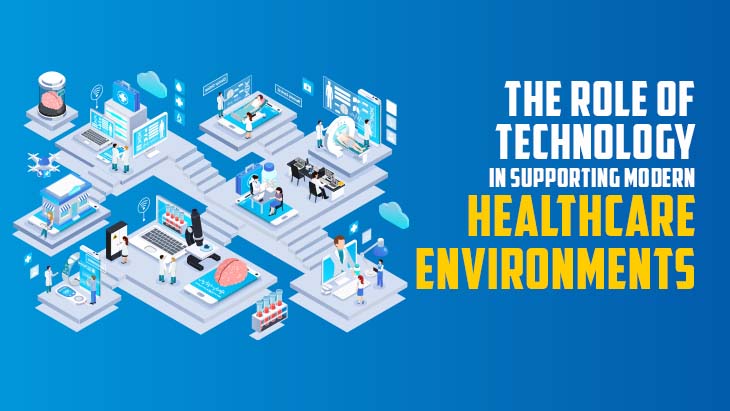

Healthcare has changed a lot in recent years, and technology plays a big part in that change. Hospitals and clinics now use digital tools to manage patient records, improve communication, and support better care. Doctors can review test results faster, nurses can track patient updates easily, and patients can stay informed about their health. Research teams and clinical labs can also use an electronic lab notebook to document experiments, organize lab data, and keep research records easier to access and review.
Simple tools like health apps, online portals, and smart devices are helping both medical teams and patients stay connected. Technology is not replacing healthcare professionals; it is helping them work smarter. As these tools continue to grow, they are creating safer, more organized, and more efficient healthcare environments for everyone.
Game-Changing Innovations Reshaping Healthcare Today
What seemed impossible a decade ago? It's Tuesday now. The innovations we're seeing aren't minor upgrades ,they're fundamentally changing how care happens and how it feels.
Digital Tools That Are Actually Making a Difference
Remember fax machines and paper charts traveling by courier? Those days are behind us, thankfully. Modern EHR systems let you share patient data instantly and securely across different facilities, which means fewer duplicated tests and way fewer errors.
Patients can pull up their own records, check lab results, book appointments, and message providers, all from their phones while waiting in line for coffee. Sure, interoperability still has its headaches, but we're moving forward. The payoff is worth it: better coordination, fewer mistakes, and patients who actually engage with their own health.
Remember when telehealth was just a pandemic band-aid? Wrong. Virtual visits are here to stay because they work. Patients can now connect with specialists across the country in minutes, removing distance as a barrier to care. Rural communities can access the same level of support once limited to big cities. This shift also helps services like an Outpatient Mental Health Center in Bellevue reach people who may not have easy access to in-person care.
AI is also changing diagnostics. These systems scan medical images faster than many specialists and detect patterns that might be missed during busy days. At the same time, wearable devices track vital signs around the clock, helping people with chronic conditions catch issues early. These tools are not just convenient; they are saving lives.
Robots, Smart Devices, and Hospital Efficiency
Robotic surgery systems give you precision that human hands simply can't match, leading to smaller incisions and faster recoveries. Automated pharmacy systems reduce medication errors and free your pharmacists to actually counsel patients instead of counting pills.
IoT sensors monitor everything, room temperatures, hand-washing compliance, and equipment locations, creating environments that are both safer and more efficient. And those connected monitoring devices? They let you keep tabs on patients after they leave the hospital, catching complications early enough to avoid another admission.
Real-World Results: Outcomes and Experiences That Actually Improved
Impressive tech specs mean nothing without measurable results. Here's where the rubber meets the road.
Care That's Actually Personalized to You
Precision medicine digs into your genetic makeup to customize treatments, making them more effective while causing fewer side effects. AI analytics identify which patients are heading toward complications or readmissions, allowing interventions before disaster strikes.
Take Bellevue, Washington, this Pacific Northwest city gets it. You've got a tech-savvy population demanding modern solutions, and the healthcare community is responding. The Outpatient Mental Health Center in Bellevue exemplifies this commitment, integrating telehealth and evidence-based digital tools to reach patients who might otherwise fall through the cracks. That's healthcare innovation in action, meeting people where they actually are, not where we wish they'd be.
Breaking Down Barriers to Access
Mobile health apps bring medical guidance straight to underserved neighborhoods, symptom checkers, medication reminders, and direct provider messaging. Virtual care eliminates transportation as an obstacle and means less time off work, particularly crucial for rural areas and low-income families. The evidence backs this up: one study documented that telemedicine cut amputation rates in chronic wound patients by nearly half compared to traditional approaches. Half. Let that sink in.
What's Coming Next: Trends You Need to Watch
Understanding today's wins sets you up to anticipate tomorrow's breakthroughs. Emerging technologies are already pushing boundaries.
AI's Growing Role in Diagnosis and Discovery
Artificial intelligence speeds up clinical trials by matching candidates better and predicting outcomes more accurately. Drug discovery that used to take decades now happens faster thanks to machine learning simulating molecular behavior.
Medical imaging powered by AI catches cancers, fractures, and neurological changes with accuracy we've never seen before. Consider this: 22 randomized controlled trials involving 2,397 participants proved telemedicine's effectiveness across diverse patient groups. This mounting evidence gives you solid ground to adopt digital health solutions with confidence, not just hope.
3D Printing and Virtual Organs for Planning
Prosthetics, dental implants, and even organ models can be printed to exact patient specifications, dramatically improving fit and function. Digital twins, virtual copies of actual organs, let surgeons rehearse complex procedures before touching a real patient, reducing risk and improving outcomes substantially.
VR and AR for Training and Therapy
Medical students practice on VR simulations, gaining hands-on experience without any risk to living patients. PTSD and phobia treatment uses VR environments for safe exposure therapy. Augmented reality gives surgeons real-time anatomical overlays during procedures, like having X-ray vision.
From physical custom devices to immersive digital worlds, the line between real and virtual healthcare keeps blurring.
Making It Work: Smart Implementation Strategies
Identifying cool innovations is easy. Actually implementing them successfully? That's where organizations separate themselves.
Getting Past the Roadblocks
Regulatory compliance and data privacy sit at the top of everyone's worry list. You're navigating HIPAA, FDA approval processes, and state regulations that vary wildly. Staff training and change management can't be afterthoughts; frontline buy-in determines whether your expensive new system transforms care or collects dust in a corner. Clear communication about why changes matter, combined with hands-on training, builds confidence and crushes resistance.
Patient-Centered Digital Transformation Done Right
Trust isn't automatic; you earn it. Transparent communication about data use and protection reassures nervous patients. Accessibility features ensure your technology serves everyone, including people with disabilities or limited tech skills. When you design with actual end users in mind, whether that's a patient, nurse, or administrator, adoption rates soar, and outcomes follow.
Real Results in Outpatient Settings
Outpatient facilities in investing in modern healthcare technology see concrete benefits: fewer no-shows thanks to automated reminders, better coordination through shared EHRs, and higher patient satisfaction from flexible telehealth. Organizations that choose scalable, interoperable technologies position themselves for long-term wins, not just short-term patches.
Your Roadmap: Concrete Actions for Digital Transformation
With implementation principles clear, you need specific steps to drive your own transformation.
What Providers Should Do Now
Invest in systems that grow with you. Scalability and interoperability matter more than flashy features. Choose platforms that integrate smoothly with existing workflows instead of forcing staff to juggle disconnected tools. Partner with vendors offering robust training and ongoing support. Remember, technology only works when people actually use it properly.
Building Patient Trust Through Digital Channels
Secure messaging, patient portals, and telehealth options turn patients into active partners in their care. When patients easily access information and communicate with their team, both satisfaction and outcomes improve. The impact of technology on healthcare becomes most visible when patients feel empowered, informed, and respected, not like numbers in a system.
The Future Isn't Coming, It's Already Here
Technology in healthcare shifted from optional to mandatory. Modern healthcare technology delivers measurable improvements in outcomes, accessibility, and efficiency that you can document and defend. Healthcare innovation keeps accelerating, offering tools and approaches that empower both you and your patients.
Digital health solutions bridge gaps, remove barriers, and fundamentally reshape what quality care actually looks like in practice. The impact of technology on healthcare extends far beyond convenience; it's transforming lives, cutting costs, and building a more equitable system for everyone.
Common Questions About Healthcare Technology
How can technology help with health care?
Technology digitizes processes, increasing standardization and efficiency dramatically. It cuts errors and costs across all care settings while opening new possibilities for safety and quality improvements you couldn't achieve manually.
What is technology's role in improving health care?
Technology revolutionizes how we diagnose, treat, and prevent disease. AI, wearables, and mobile health apps optimize diagnostics, enhance patient care, and help people manage their own health more efficiently than ever before.
What are the biggest challenges in adopting new healthcare technologies?
Regulatory compliance, data privacy concerns, and staff resistance top the list. Cost pressures, training requirements, and integrating new systems with outdated infrastructure also create significant hurdles for most organizations.


Post Comments