







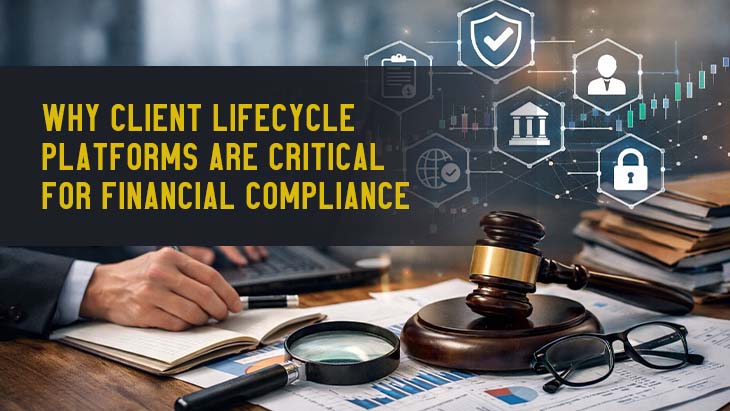

Every year, organizations serving in the finance sector are subjected to more and more regulatory pressures. It is becoming harder for firms, both small and large, to comply. This is where client lifecycle platforms come in with solutions that address such questions. Such tools assist in mitigating the risk by bringing in more agility to the process. These are important because they can help businesses avoid litigation and build trust.
The Growing Importance of Compliance
Over the years, financial services regulatory requirements have proliferated. Companies need to identify clients, monitor transactions, and keep accurate records. Not adhering to these requirements can lead to severe fines or legal action. Many businesses have realized that manual processes are prone to human error. Automated platforms such as Fenergo can prevent compliance gaps by standardizing processes and detecting high-risk activities.
Streamlined Client Onboarding
Client onboarding is the first essential step for financial entities. During this process, institutions need to verify identities, measure the risk, and verify documents. Manual onboarding can cause delays and a lack of uniformity. A client lifecycle platform allows for automated data collection and information centralization. This reduces wait times, reduces errors, and enhances the overall experience for the client. Faster onboarding also means catching potential compliance problems sooner.
Monitoring and Updating Client Data
Ensuring that client information is updated is critical for continued compliance. A business is obliged to review and update personal and financial information regularly. Tracking changes and finding outdated records will be difficult through paper-based methods. With digital lifecycle solutions, administrators and managers get automated prompts and reminders. It ensures that staff update the data regularly, so the risk of missing important changes is very minimal.
Transaction Surveillance and Risk Assessment
Oversight of transactions on the client side is still one of the primary obligations of regulators. Institutions have to monitor all transactions for suspicious behavior that may signify money laundering or fraud. Manual checks cannot detect nuanced risks or emerging risks. Ecosystem platforms, including some lifecycle platforms, come with real-time monitoring tools that detect malicious behavior. Automated alerts enable teams to immediately investigate any anomalies. This has the added benefit of aiding compliance and protecting institutional reputation.
Audit Trails and Record Keeping
Keeping detailed logs shows compliance with regulators. As a result, institutions should document every piece of communication and every decision made during the client interaction. Filing systems can lose identity by misfiling or throwing away important documents. Digital platforms automatically log each step taken, providing a detailed and verifiable client history. And that transparency simplifies audits, as it is easier to demonstrate compliance with policies and procedures.
Adapting to Regulatory Changes
Financial regulations are ever-changing, as they adapt to new threats or developments in the market. Flexible systems are essential for organizations to adhere to compliance without needing multiple manual adjustments. Regulatory updates can be rapidly integrated into client lifecycle solutions. Workflow updates automatically maintain processes that remain relevant and aligned with existing rules. Such flexibility eases the strain on staff and prevents institutions from making expensive errors.
Reducing Human Error
One of the biggest threats to the success of compliance initiatives is human error. Inaccuracies leading to the compromise of security and a lack of accuracy can arise from manual data entry and document review. Lifecycle platforms reduce the dependence on manual processes. They detect common errors that can frustrate experts before they turn into serious compliance issues. This builds stronger compliance and operational excellence.
Enhancing Client Trust
Customers expect their banks to safeguard their data and to operate within the regulatory laws. Customers have a greater sense of security, and brand loyalty grows with a more efficient and transparent compliance process. Lifecycle platforms facilitate this by unifying reliable and compliant client management. When clients experience fast onboarding, timely communication, and dependable service, it creates trust in the institution. Trust helps retain clients and manage your reputation.
Key Takeaways
Client lifecycle platforms are an integral part of financial compliance. They make onboarding easier, allow effective tracking, and secure record-keeping. These automated systems can adapt to regulatory changes and reduce human error. Investing in such tools enables financial institutions to be in compliance with regulatory obligations and, at the same time, strengthen client relationships. The right platform can also facilitate compliance in a regulated environment, making the process easier, faster, and more secure for all participants.




Post Comments