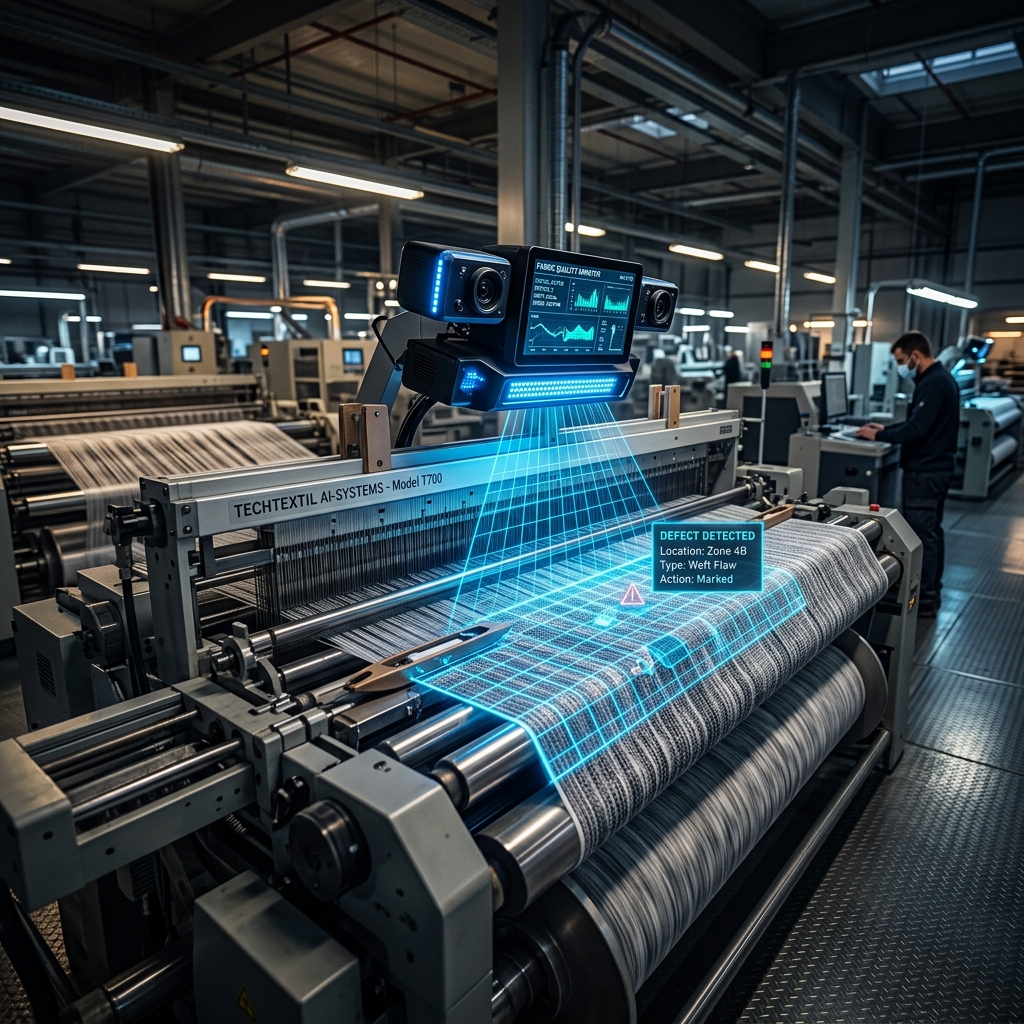
In the textile manufacturing industry, ensuring fabric quality is crucial to maintaining customer satisfaction. This case study presents a real-life example of how a company successfully implemented an AI-powered fabric inspection system to detect defects in real-time.
The client is a leading textile and fabric manufacturing company. They faced a significant challenge in maintaining consistent quality standards, as manually inspecting fabric for defects was time-consuming, subjective, and prone to human error.
The client wanted to improve their quality control process by implementing an automated system that could accurately detect fabric defects in real-time. The system needed to identify various defects such as holes, dropped stitches, yarn breakage, uneven texture, fabric streaks, and color variations.
Product Development, Data Architecture, Computer Vision, AI/ML Modeling, Data Analytics
Cosmos DB, MS Azure, Python, OpenCV, TensorFlow, PyTorch, React, Node.js
In textile manufacturing, ensuring the quality of fabrics is essential. However, the high speed of modern knitting and weaving machines makes manual inspection extremely challenging. Defects such as holes, dropped stitches, yarn breakage, uneven surface patterns, and production streaks often go unnoticed until the fabric reaches the next production stage, leading to significant material waste and financial loss.
To address this problem, artificial intelligence can be used for real-time fabric inspection. By implementing computer vision algorithms, high-resolution cameras can scan the fabric as it is being produced. The AI models are trained on large datasets to instantly identify defects and irregularities.
Our approach involved deploying a robust AI inspection system directly on the production line. This allowed the system to detect color variations and shade inconsistencies across multiple machines, helping manufacturers correct process problems while the machines are still running.
To address the client's challenge, our team of AI and machine learning experts collaborated with the company to develop a robust, real-time fabric defect detection system.
A vast dataset of labeled fabric images was collected, comprising various textures, colors, and common defects like dropped stitches and yarn breakage. This comprehensive dataset formed the basis for training the AI model to accurately distinguish between acceptable variations and genuine defects.
Leveraging advanced deep learning techniques, our computer vision model was trained to recognize complex fabric patterns and identify anomalies. The model learned to detect uneven surface patterns, production streaks, and shade inconsistencies with exceptional accuracy.
The AI model was seamlessly integrated into the client's production line. High-speed industrial cameras continuously captured images of the fabric directly on the knitting and weaving machines, analyzing frames in real-time as the fabric was produced.
Upon detecting a defect with high confidence, the system instantly triggered alerts, allowing operators to correct process problems while the machine was still running. This immediate feedback loop prevented defective material from reaching the next production stage.
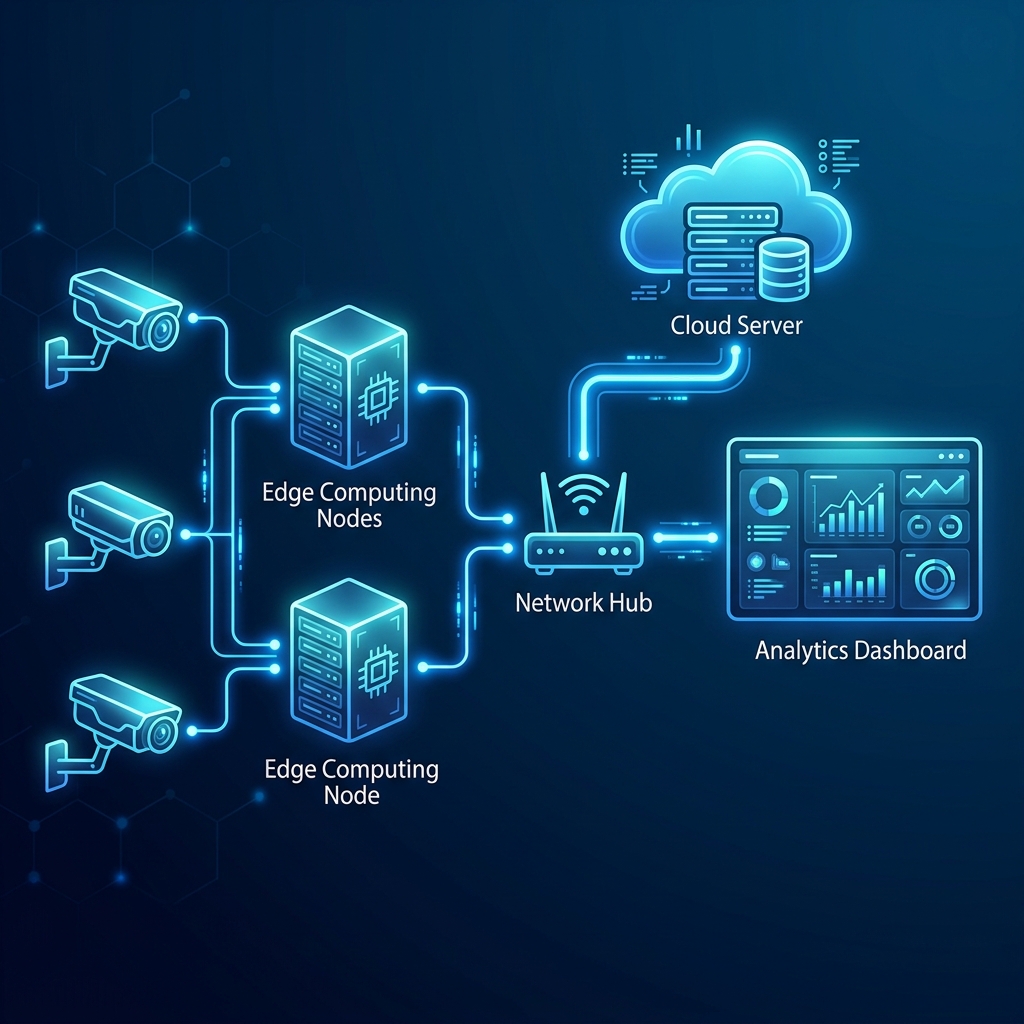
| Hardware / Edge | High-resolution industrial cameras and edge processing units. |
|---|---|
| AI Vision Model | CNN-based defect detection (TensorFlow / OpenCV). |
| Cloud Infrastructure | MS Azure for model training and historical data aggregation. |
| Dashboard & Analytics | React & Node.js frontend for real-time monitoring and reports. |
| Integration | Direct integration with weaving/knitting machine stop controls. |
The implementation of the AI-powered fabric inspection system yielded significant results, revolutionizing quality control processes and operational efficiency.
Detection Accuracy
Reduction in Material Waste
Real-Time Visibility
The AI-powered system provided highly accurate and consistent detection of fabric defects, far surpassing the capabilities of manual inspection.
By identifying holes and dropped stitches instantly, the system prevented defective material from being processed further, significantly reducing waste.
Real-time detection across multiple machines allowed manufacturers to correct process problems like yarn breakage immediately, optimizing production.
The system successfully detected color variations and shade inconsistencies, ensuring uniform and high-quality final products.