







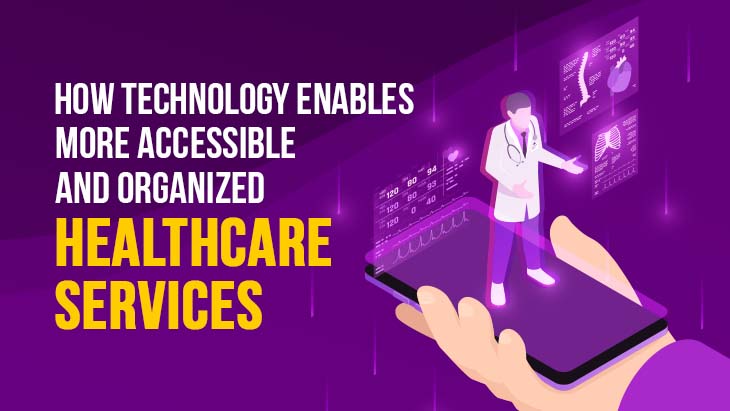

Getting medical help used to mean long waits, phone calls, and traveling to clinics. Today, digital tools are making healthcare faster and easier to access. From online doctor visits to health apps that track daily habits, technology is changing the way people connect with care.
Patients can now check symptoms, book appointments, and even receive treatment from home. This shift is helping many people save time and get support when they need it most. As digital innovation continues to grow, it is opening new paths for better access, improved communication, and a more convenient healthcare experience for everyone.
The Paradigm Shift: Transforming Healthcare Through Technology
The pandemic fast-tracked something already simmering: digital health accessibility jumped from optional luxury to baseline necessity. You don't tolerate fragmented systems anymore, where your family doctor has zero clue what your cardiologist just prescribed. You want, and increasingly get, synchronized care through platforms that actually communicate with each other.
With this digital wave rolling through, what real-world wins are patients and clinicians seeing? The payoffs reach way past just saving time.
Minnesota has become something of a laboratory for mental health breakthroughs, with treatment centers across the state weaving digital tools into their patient care fabric. The state's push for holistic approaches has built an ecosystem where technical innovation and human empathy feed off each other beautifully. This regional momentum shows how targeted local efforts can spark wider transformation.
Today's inpatient mental health treatment in Minnesota programs showcase residential settings that effortlessly combine remote family involvement, virtual clinician consultations, and digitized recovery roadmaps. Here's what matters: these advances don't replace human touch; they amplify it by eliminating the old logistical nightmares that kept families sidelined during someone's healing process.
Key Benefits of Accessible Healthcare Technology
Enhanced Patient Engagement
Healthcare technology solutions transform you from passenger to driver. When you pull up your bloodwork results instantly through a portal, you're far more likely to ask smart questions and stick with treatment protocols. That engagement flows straight into improved health markers and fewer panic trips to the ER.
Bridging Geographic Divides
Rural areas have always gotten the short end of the stick. Video consultations now link patients in tiny towns with top experts hundreds of miles away. Is it flawless? No, spotty internet remains problematic, but it beats the heck out of burning eight hours round-trip for a brief check-in.
Reducing Wait Times
Intelligent scheduling platforms study behavioral patterns to forecast no-shows and maximize appointment efficiency. What happens? You spend less time flipping through outdated magazines, and providers use their schedules more smartly. Some medical practices cut average waiting periods by 30-40% using these systems.
Innovative Healthcare Technology Solutions Shaping Access and Organization
Telemedicine's Expanding Role
Virtual appointments surged when COVID hit, but they've endured because they deliver results. Discriminative algorithms now measure objective accuracy of outputs at rates far exceeding human capacity, enabling professionals to make data-backed decisions more efficiently. Basic primary care, mental health sessions, and routine follow-ups all work surprisingly well through screens.
Electronic Health Records as Connective Tissue
EHRs catch heat for awkward interfaces, but they've completely changed how information moves. When your allergy specialist sees what your heart doctor ordered last week, dangerous medication conflicts get stopped before causing harm. That's not hypothetical; it prevents tragedy every single day.
AI-Powered Diagnostics
Machine learning now helps radiologists catch anomalies that human eyes occasionally miss. It's not replacing doctor expertise; it's enhancing it. Picture AI as an incredibly specialized colleague who never experiences fatigue or loses focus.
Mobile Health Apps
Everything from pill reminders to symptom journals now lives in your pocket through apps. The truly effective ones sync with your provider's systems, creating information loops that shape treatment tweaks.
Strategies to Achieve Organized Healthcare Services with Technology
Integrated Care Platforms
Organized healthcare services need more than scattered widgets. Comprehensive platforms merge scheduling, payment processing, clinical notes, and messaging into unified environments. Staff burn less time pushing data around and spend more time face-to-face with patients.
Secure Messaging Systems
Patient portals featuring message functions kill the phone tag nightmare. Need to clarify medication timing? Fire off a quick question, snag an answer within a day, zero appointment required. These digital conversations also generate documentation protecting everyone involved.
Ensuring Digital Health Accessibility for All
Designing for Diverse Populations
Technology in healthcare absolutely must work for varying reading abilities, native languages, and physical capabilities. Adjustable text sizes, voice options, and translation features aren't bonus perks; they're mandatory for fair access.
Addressing the Digital Divide
Not everybody owns reliable internet or smartphones. Initiatives providing subsidized connectivity and equipment loans help narrow those gaps, though considerable challenges persist. Policy fixes matter just as much as technological ones in this arena.
Enhancing Mental Health: Technology Solutions in Action
Virtual Counseling Benefits
Therapy over video erases transportation headaches and scheduling limitations. For someone wrestling with anxiety or depression, removing the stress of physically getting to sessions can determine whether they seek support or suffer silently.
Community Digital Support
Web-based support circles unite people navigating similar struggles, building communities rooted in shared understanding. These spaces offer round-the-clock access,vital when emergencies ignore office hours.
Beyond today's applications, emerging technologies are expanding the boundaries of what's achievable in accessible, organized healthcare. Here's what's coming down the pipeline.
Latest Trends in Healthcare Technology You Need to Know
Blockchain for Data Security
This technology builds unchangeable audit trails of who touched patient files and for what reason. It's early innings still, but privacy-focused patients are tracking this development closely.
Wearable Health Devices
Smartwatches nowadays catch irregular heart rhythms and monitor oxygen saturation. Information automatically streams to healthcare teams, allowing preventive action before minor issues spiral into crises.
Virtual Reality Applications
VR transcends entertainment. It's supporting rehab patients rebuilding strength through compelling exercises and aiding pain control through absorbing distraction methods.
These innovations hold enormous promise, yet implementing fair, accessible healthcare technology demands tackling substantial roadblocks directly.
Overcoming Challenges: Building Equitable Technology in Healthcare
Privacy and Security Concerns
Data breaches dominate headlines deservedly; they're catastrophic. Healthcare organizations must juggle openness with strong security protocols. It's costly and complex, but absolutely critical.
Policy Alignment Needs
Rules typically trail innovation. Telemedicine payment policies, for example, swing wildly across states and insurance companies, generating confusion that slows widespread adoption.
Clearing these hurdles takes more than quick fixes; it demands a strategic blueprint positioning healthcare networks for sustained success and fairness.
Roadmap to Future-Proof Healthcare with Accessible Technology Solutions
Healthcare decision-makers need to back flexible platforms that evolve as requirements shift. Today's advanced system shouldn't become tomorrow's dinosaur, dragging you down. Compatibility standards and modular designs deliver that agility.
While big-picture transformations unfold, you can grab immediate opportunities to leverage accessible healthcare technology for yourself and family members right now.
Your Questions About Digital Healthcare Answered
What affordable technology solutions work for small clinics?
Cloud-hosted EHR platforms with monthly subscription models remove hefty upfront investments. Most scale features to match clinic dimensions and finances, throwing in complementary training.
How can I protect my health data when using digital services?
Create strong, distinct passwords for every portal. Activate two-factor authentication wherever it exists. Audit privacy configurations regularly and skip public WiFi when accessing personal medical information.
What digital tools help organize patient information effectively?
All-in-one EHR systems bundling scheduling, billing, and medical documentation perform best. Seek platforms prioritizing cross-system communication and intuitive interfaces benefiting both staff and patients.
Final Thoughts on Healthcare's Digital Future
Technology won't fix every healthcare problem, but it's dismantling numerous obstacles that seemed permanent not long ago. From isolated patients reaching specialists to families joining remotely in mental health recovery, digital instruments are generating possibilities that didn't exist ten years ago. The road ahead demands ongoing investment, intelligent policy work, and relentless commitment to fairness. Your perspective matters in building systems serving everyone. Stay informed, stay involved, and absolutely advocate for the accessible, organized care you've earned.



Post Comments